"The tour was absolutely amazing, with our guide being super friendly and accommodating. He made sure we had a pleasant experience and even made sure we got all our photos taken! Definitely recommend :)"
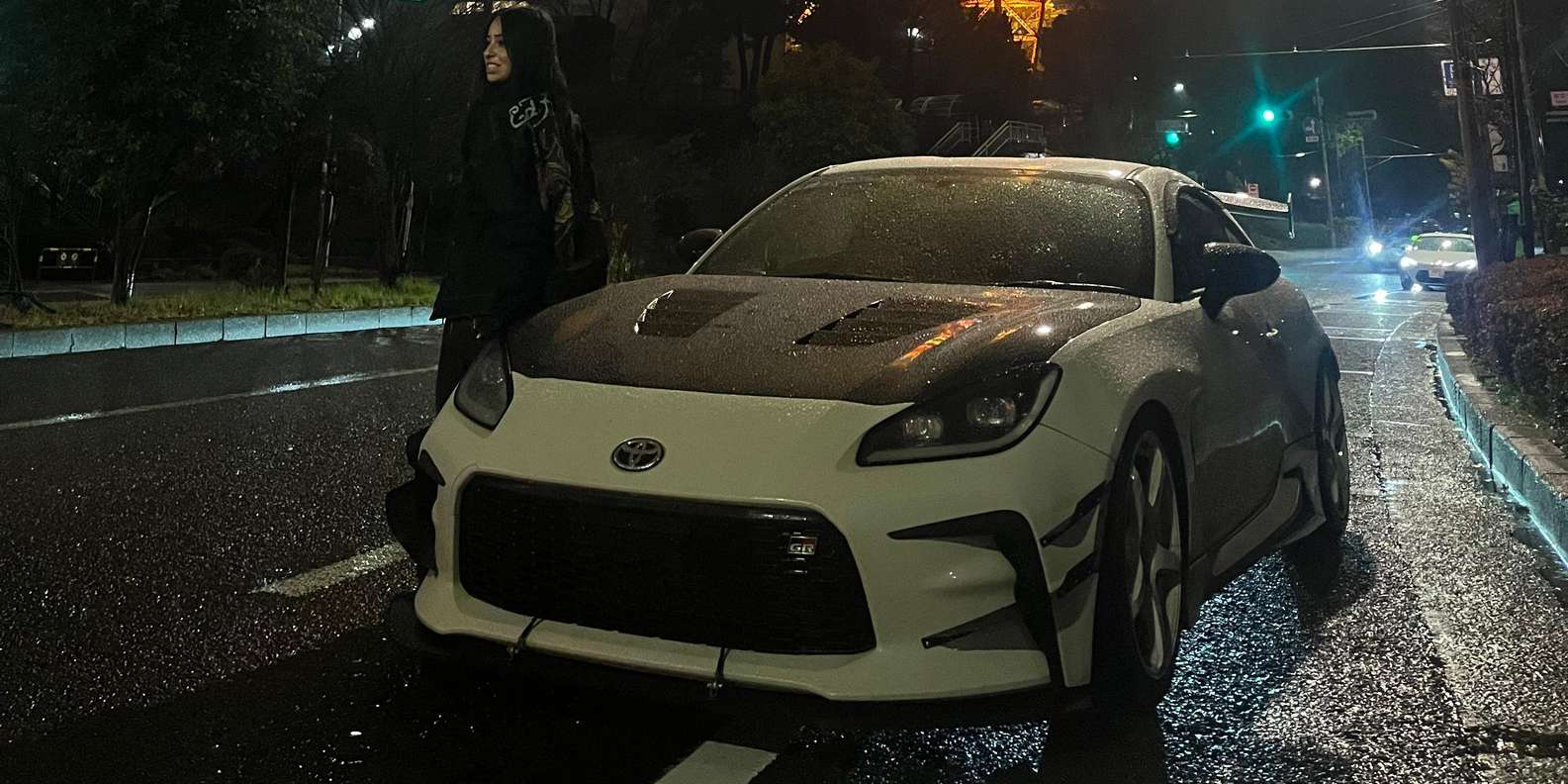
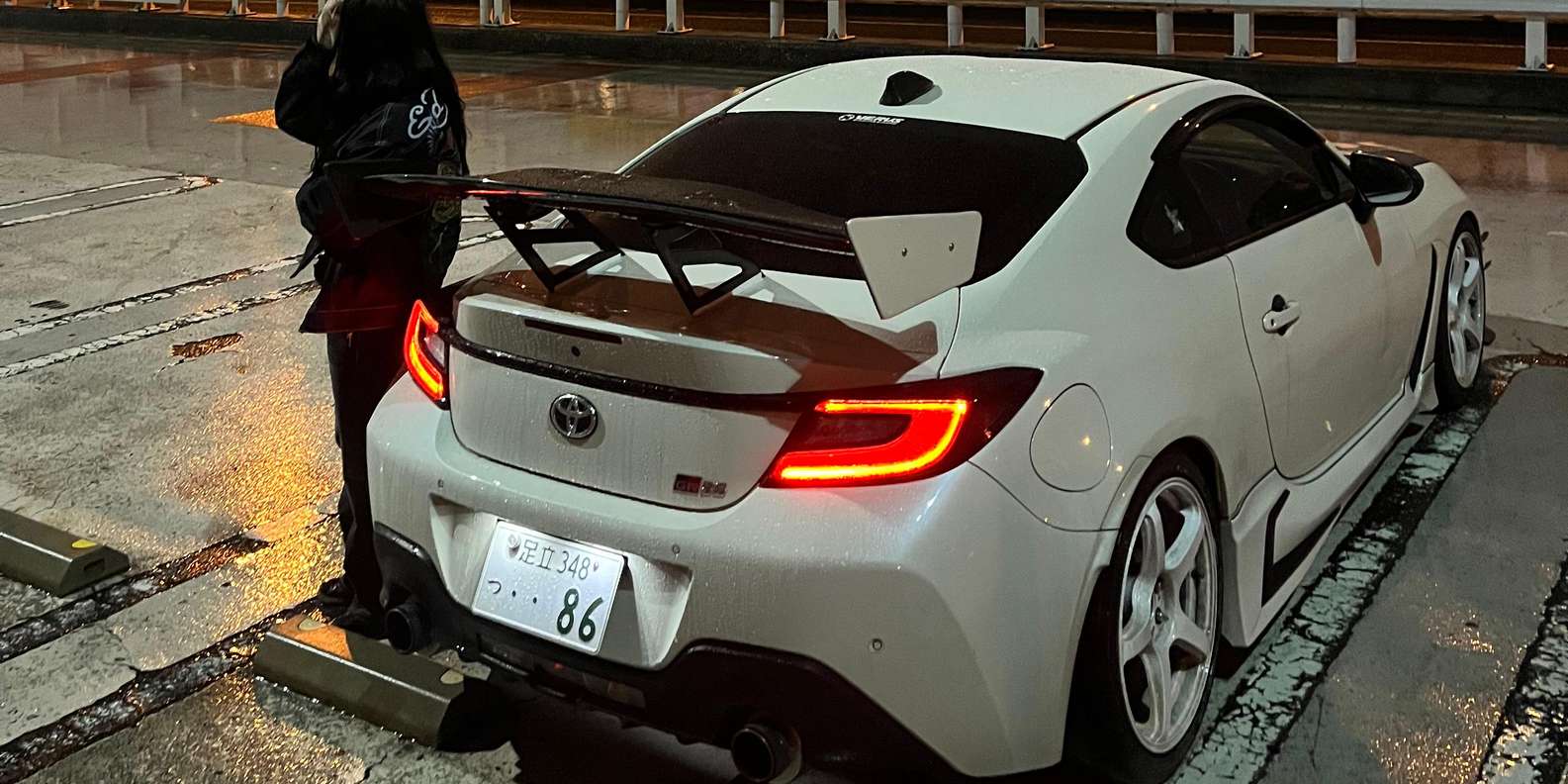
Shibuya · Wangan Midnight Route · Daikoku PA
The film is why you are searching, so here is the honest version: most of it was not shot in Tokyo, the driving in it is illegal in Japan, and no tour will re-create it. What you can book is better than a re-enactment — the drivers' own heavily modified cars, on the roads the culture actually uses.
The Experience
From the operator's own listing — a genuinely modified JDM car rather than a van, the Wangan Midnight expressways, an hour at Daikoku PA and DSLR photographs by your guide.
Shibuya Station, a fifty-minute run over the Rainbow Bridge, an hour in the lot, Tokyo Tower, and back where you started.
The tour starts at Shibuya Station, which is about as easy to reach as anywhere in Tokyo. After meeting the guide you get a short explanation of the evening in clear English before departing. Three starting options and three drop-off points are offered, chosen when you book. On the standard plan you may be sharing the car with other passengers, and the listing says so rather than leaving you to discover it.
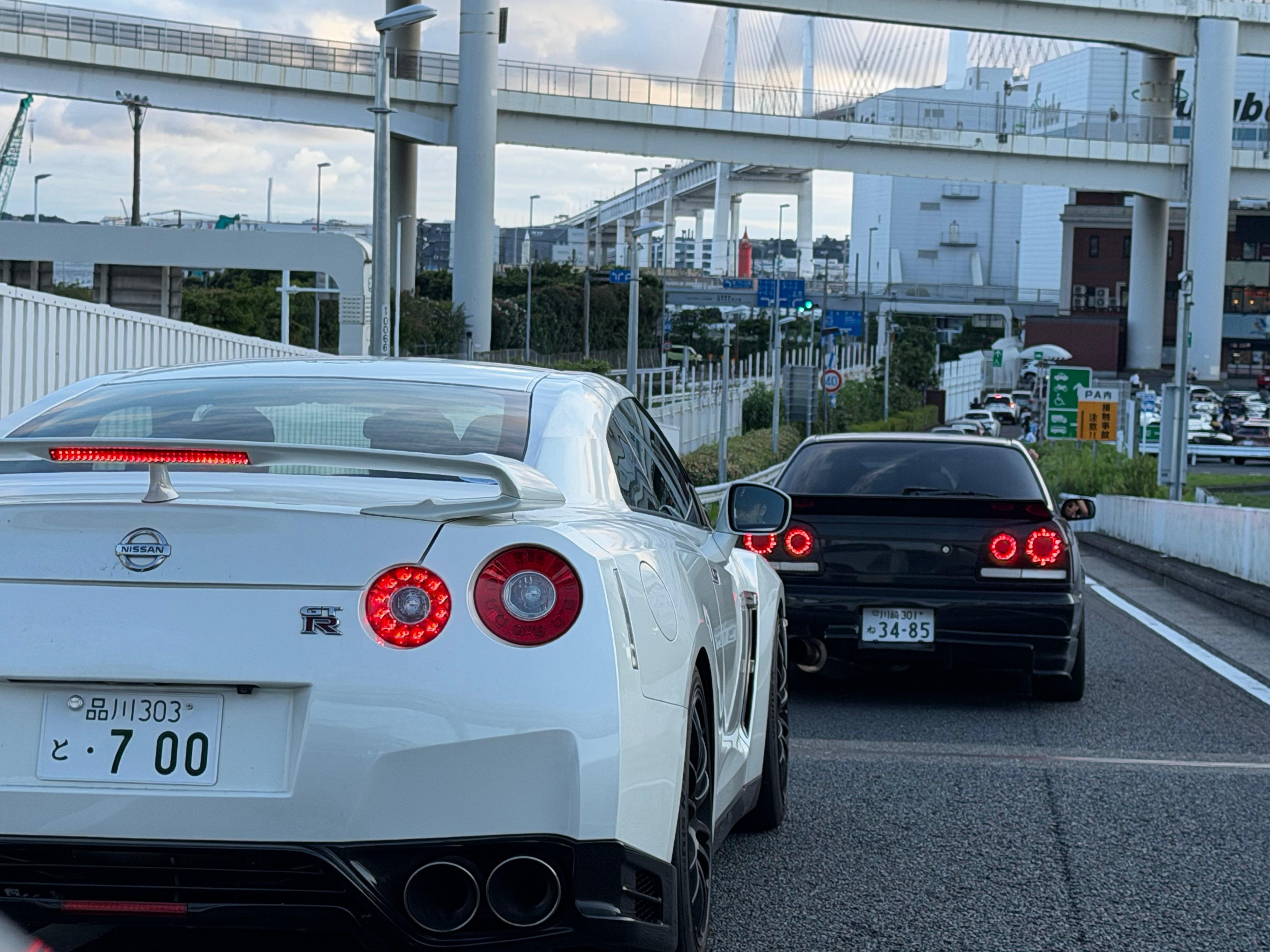
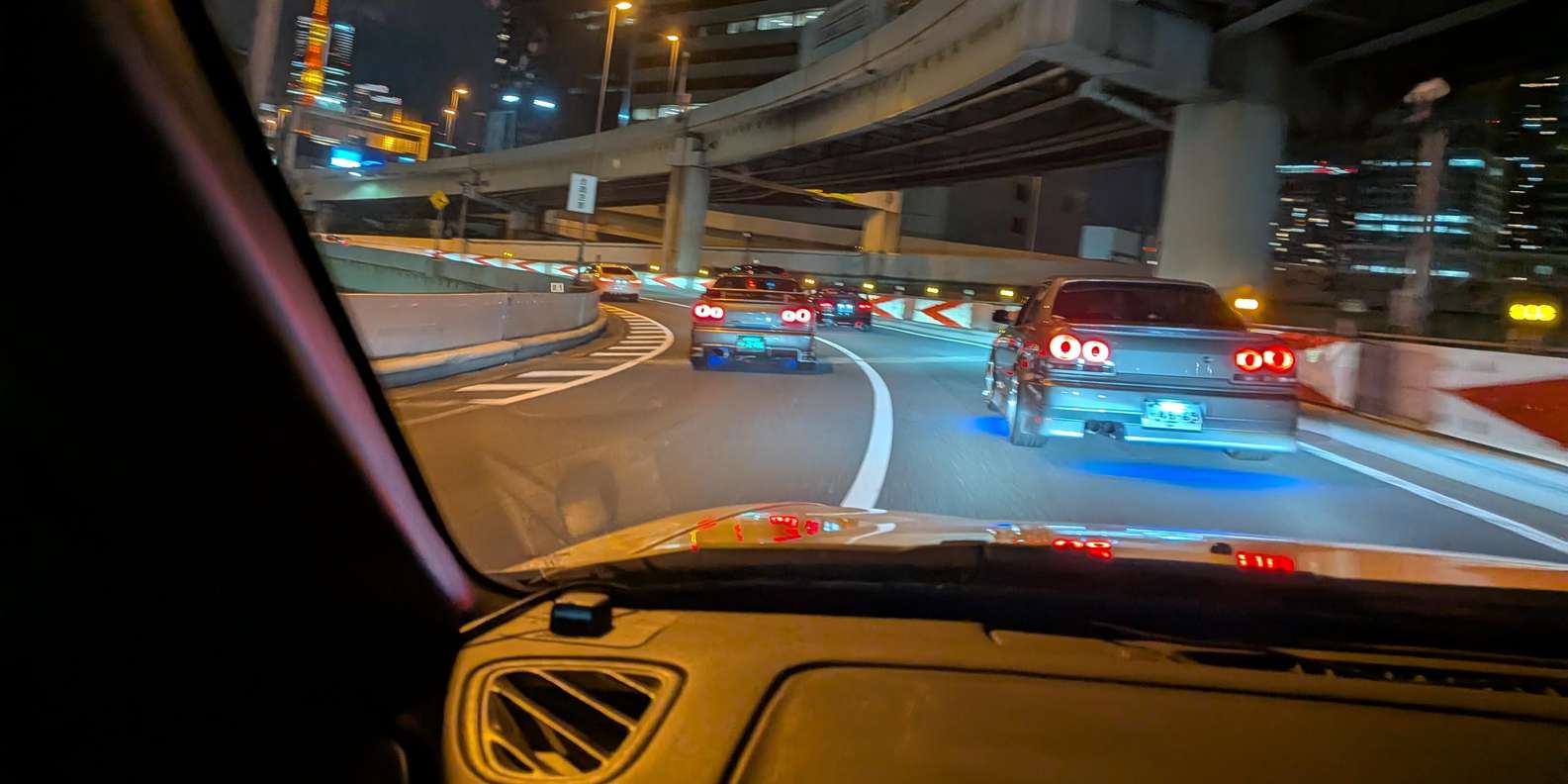
The run east takes about fifty minutes and it is the part that justifies the price. The route uses Tokyo's expressway system at night, crosses the Rainbow Bridge with the bay and the illuminated skyline open on both sides, and takes in the Wangan roads the anime Wangan Midnight is built around. The listing's own first highlight is a promise rather than a description: you are in a Japanese JDM sports car, not a van.
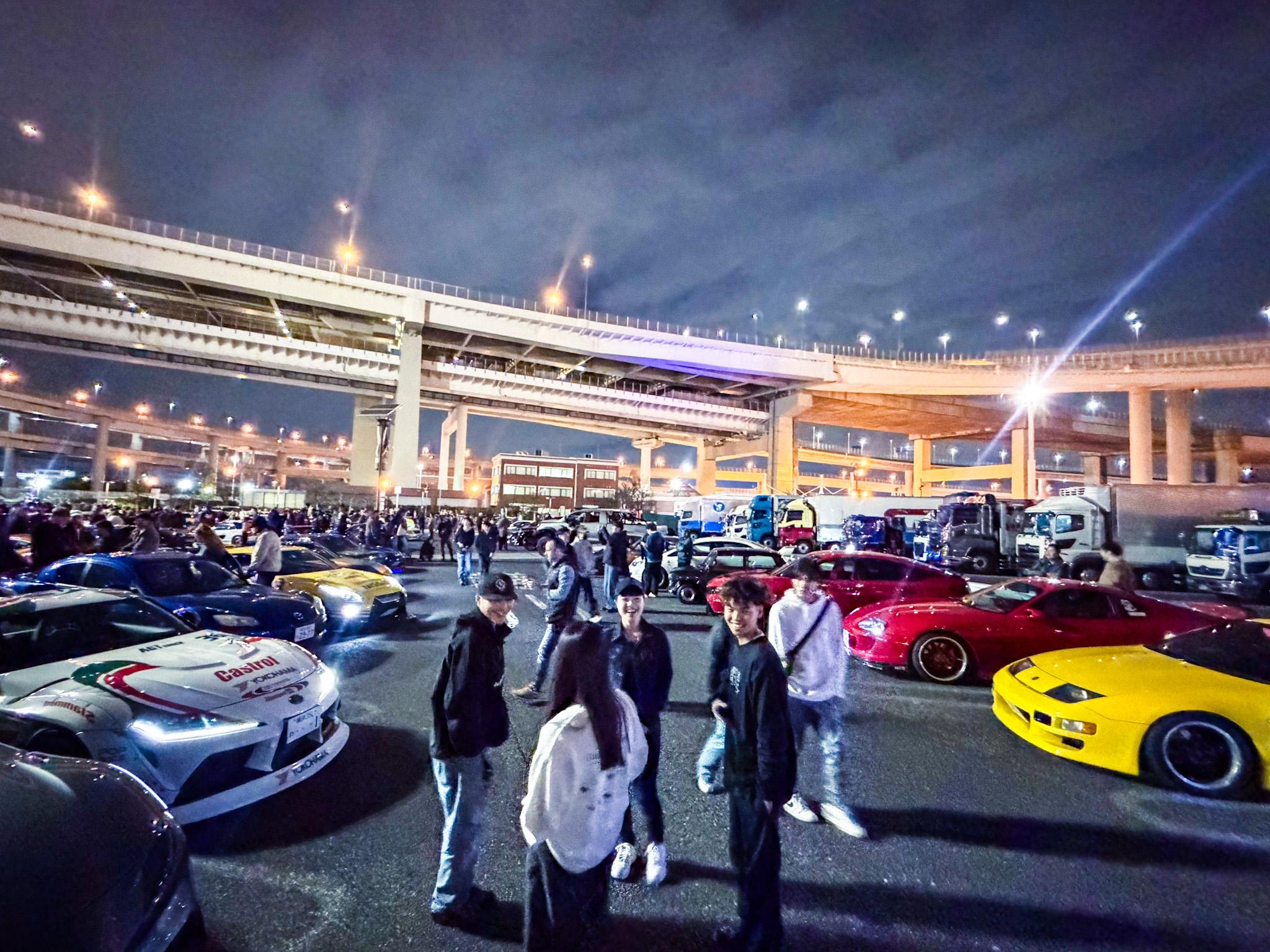
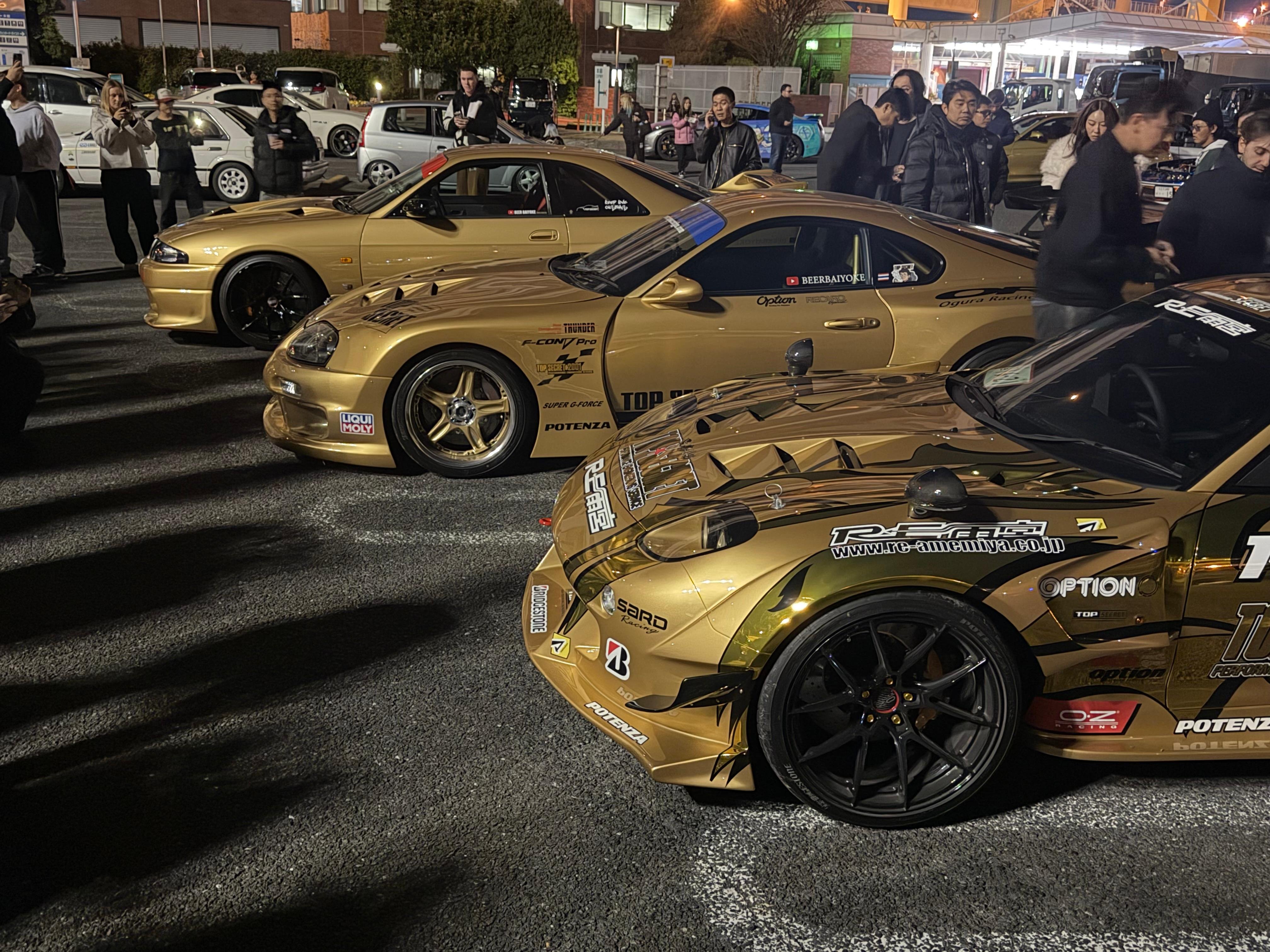
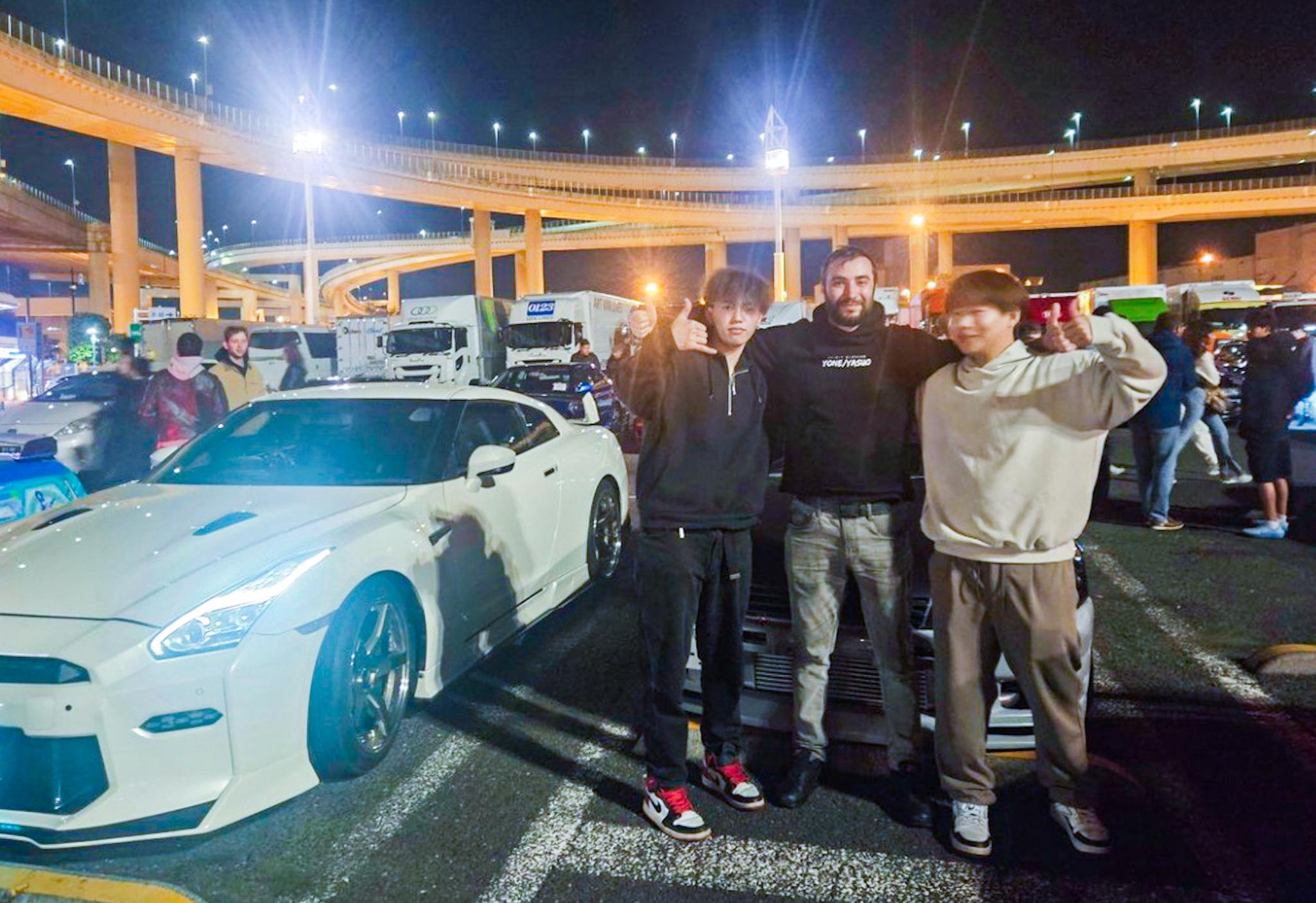
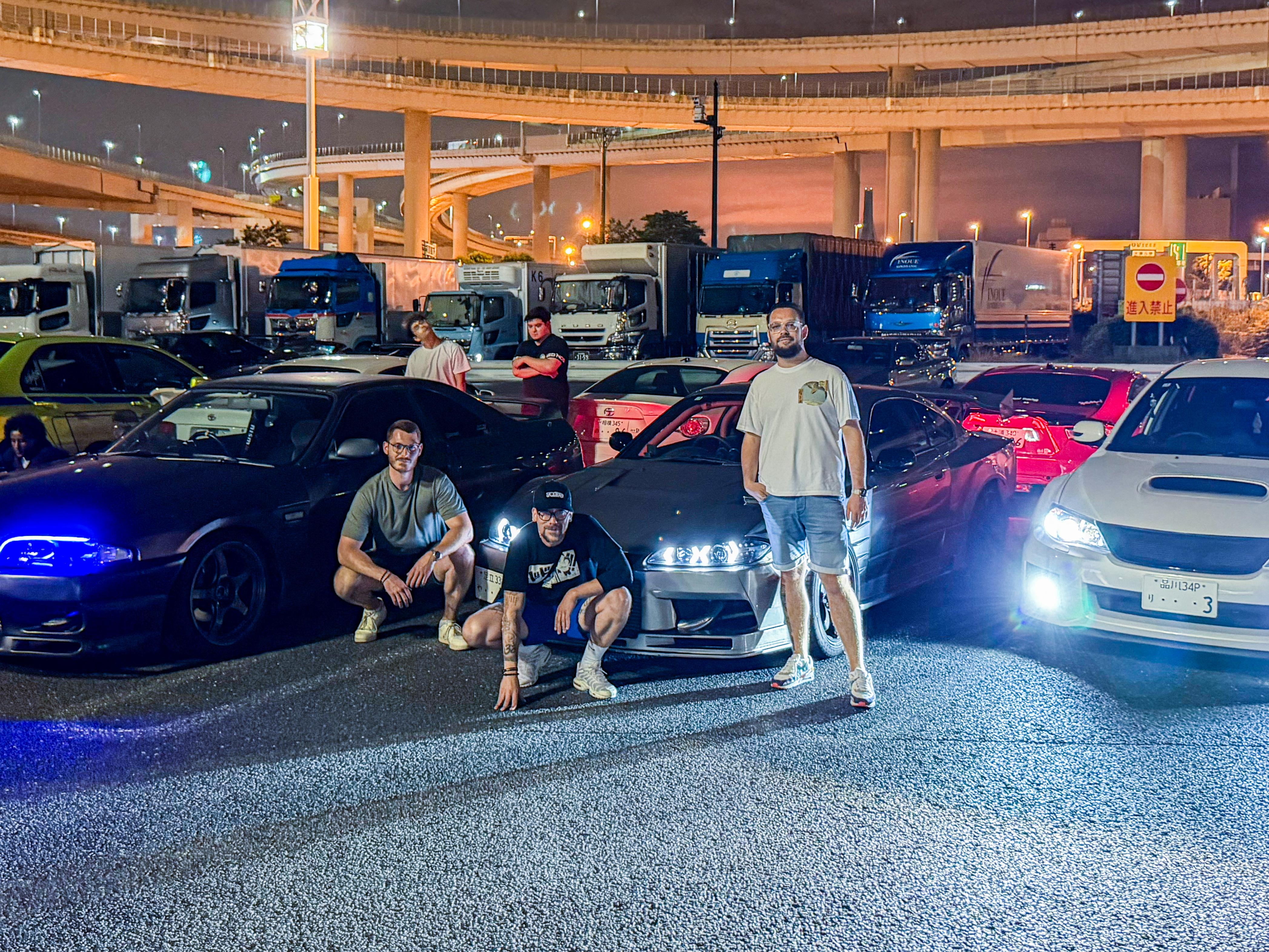
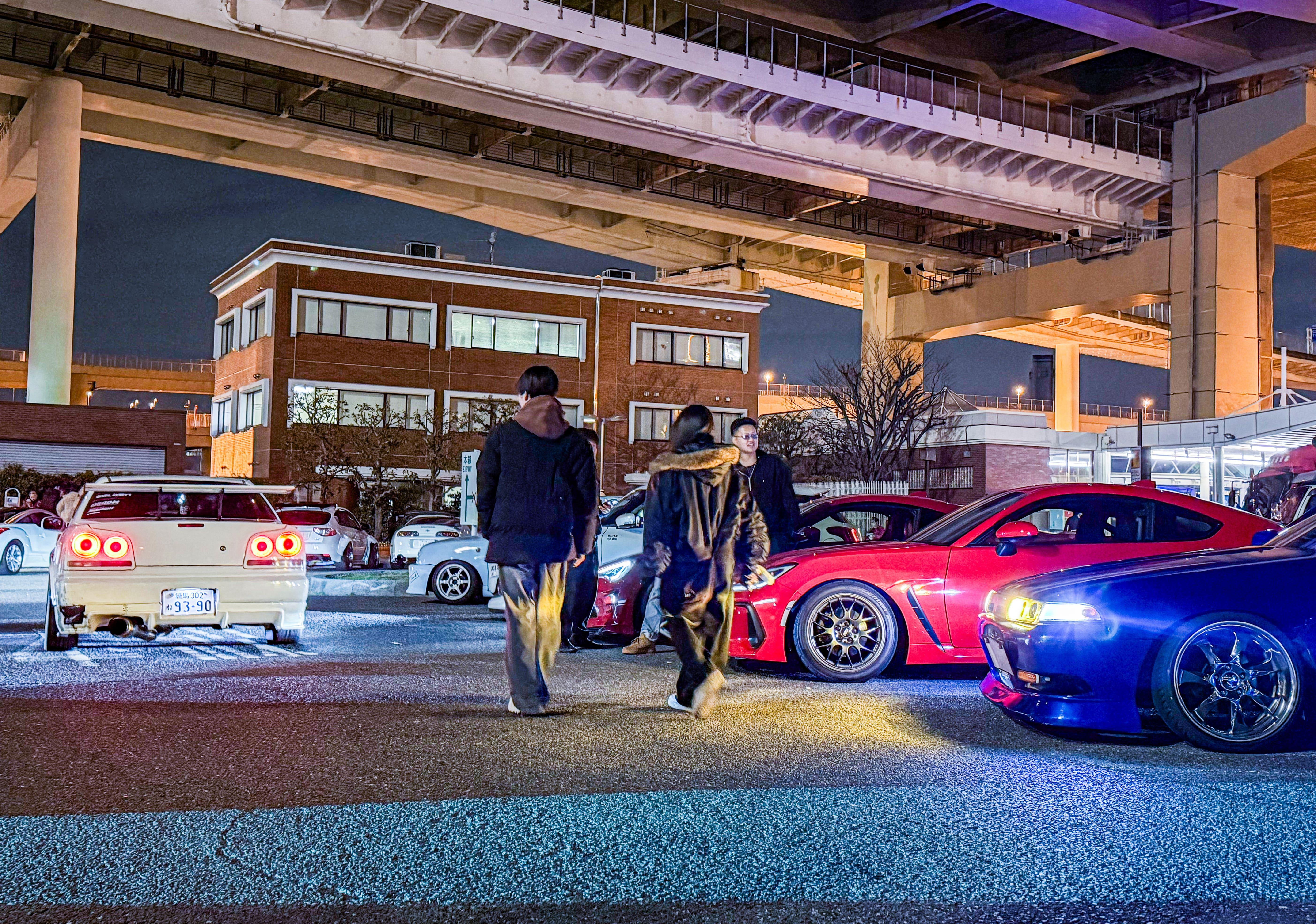
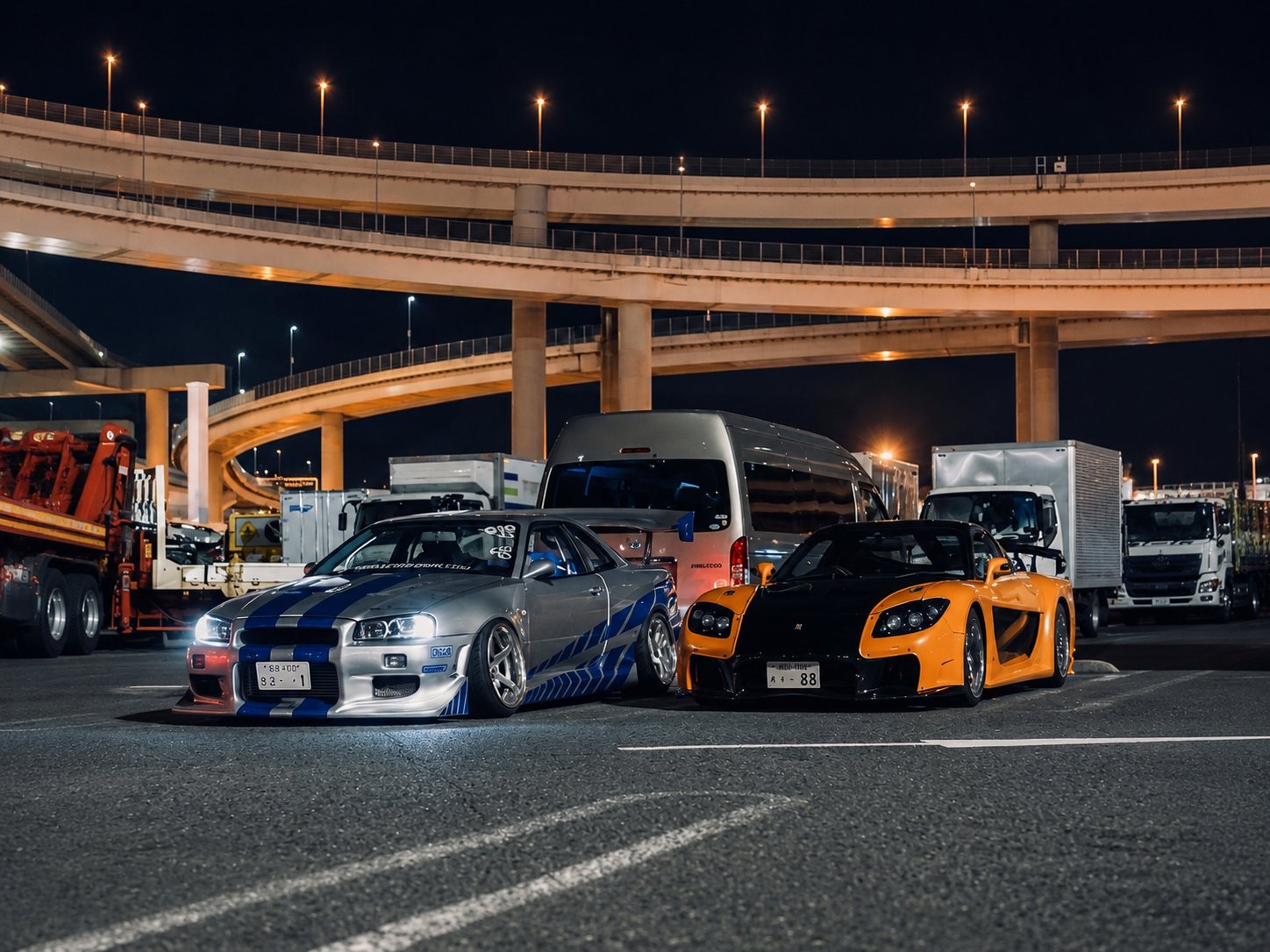
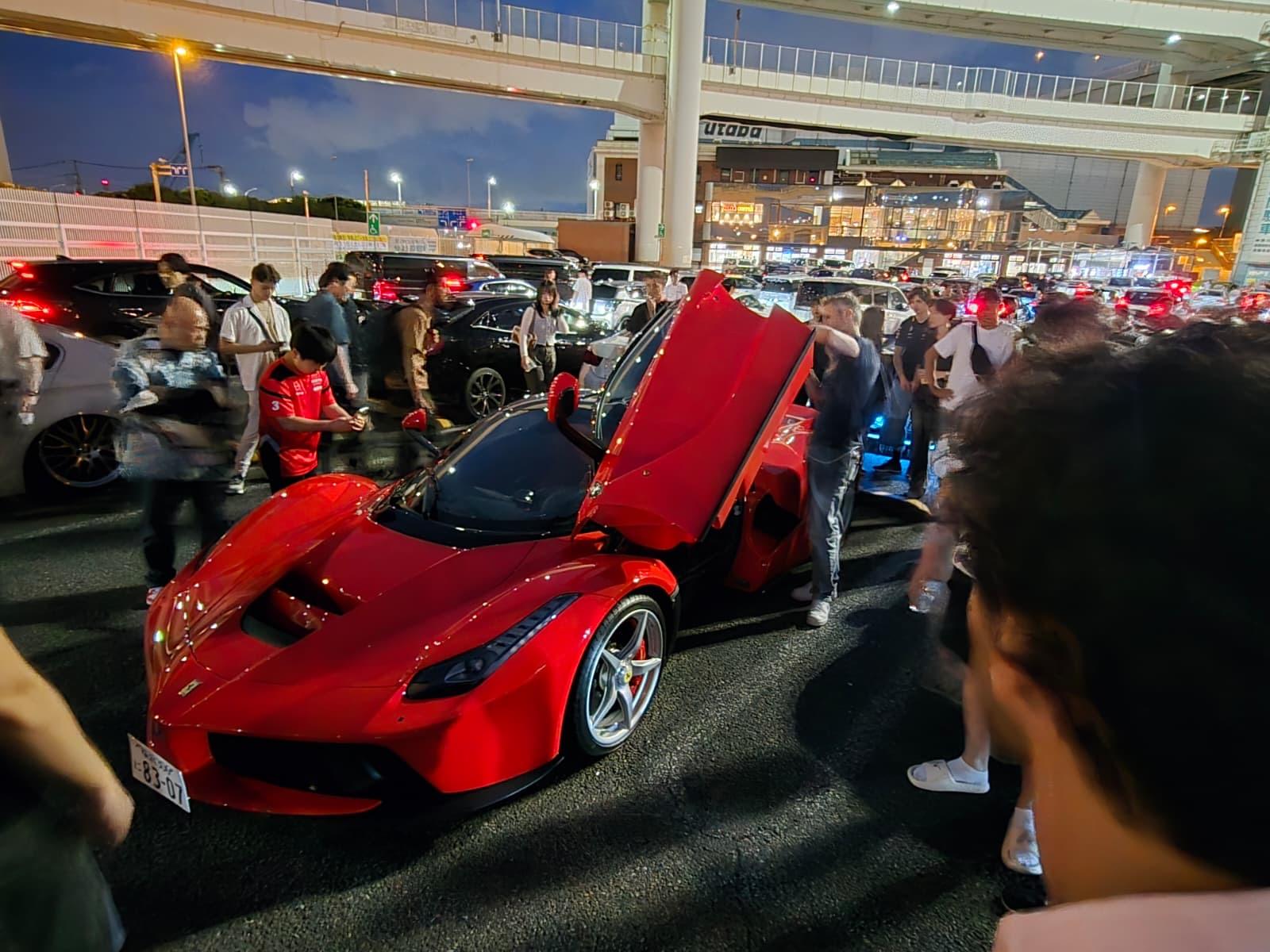
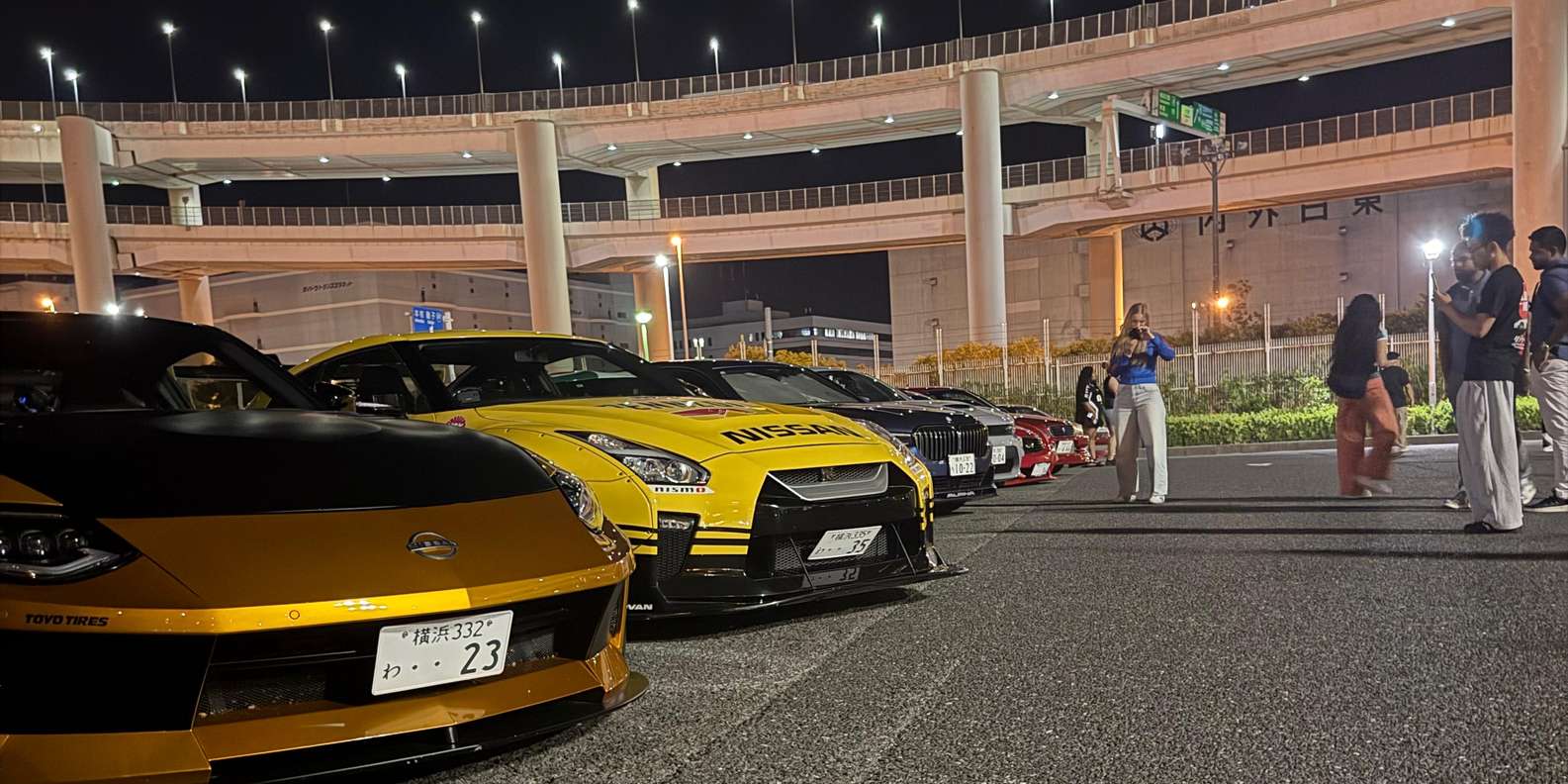
One hour at Daikoku PA — a public expressway rest area, free to enter, reachable only by car, and on a good night Japan's largest informal car gathering. The listing describes it as observing a movie-style atmosphere, which is a fair description and an honest one: what is parked there on your night is decided by strangers, not by the operator, and nobody can promise it.
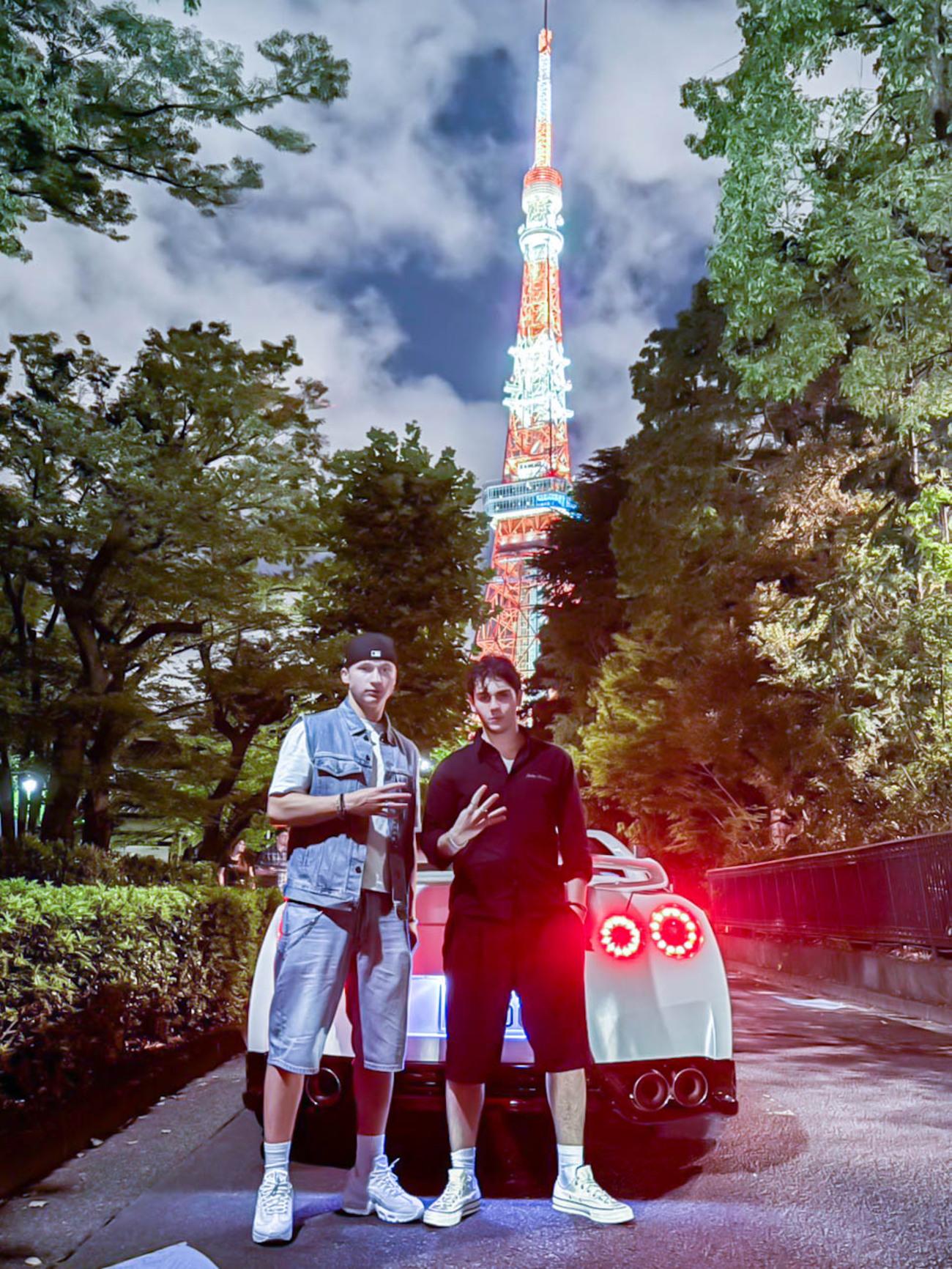
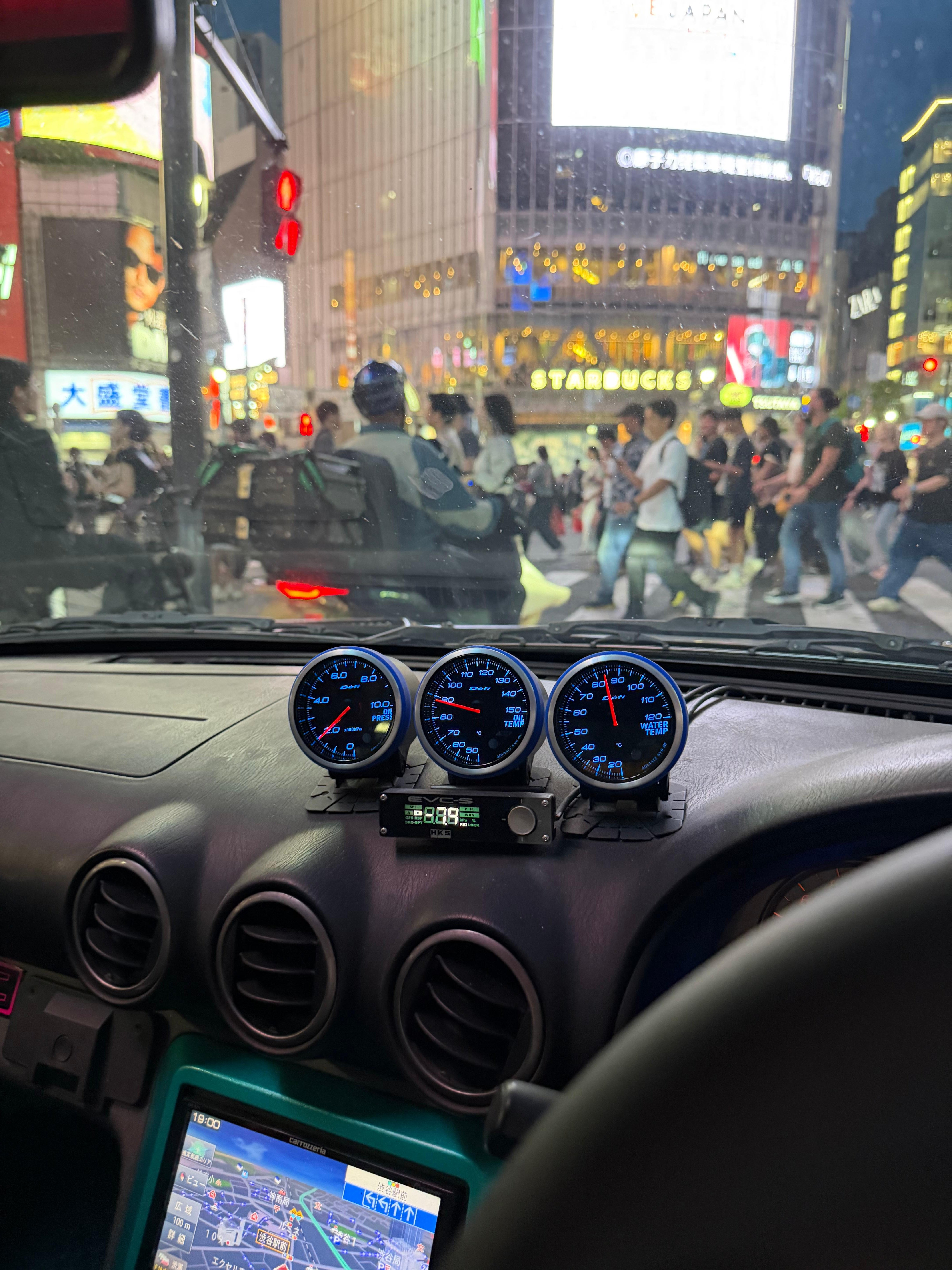
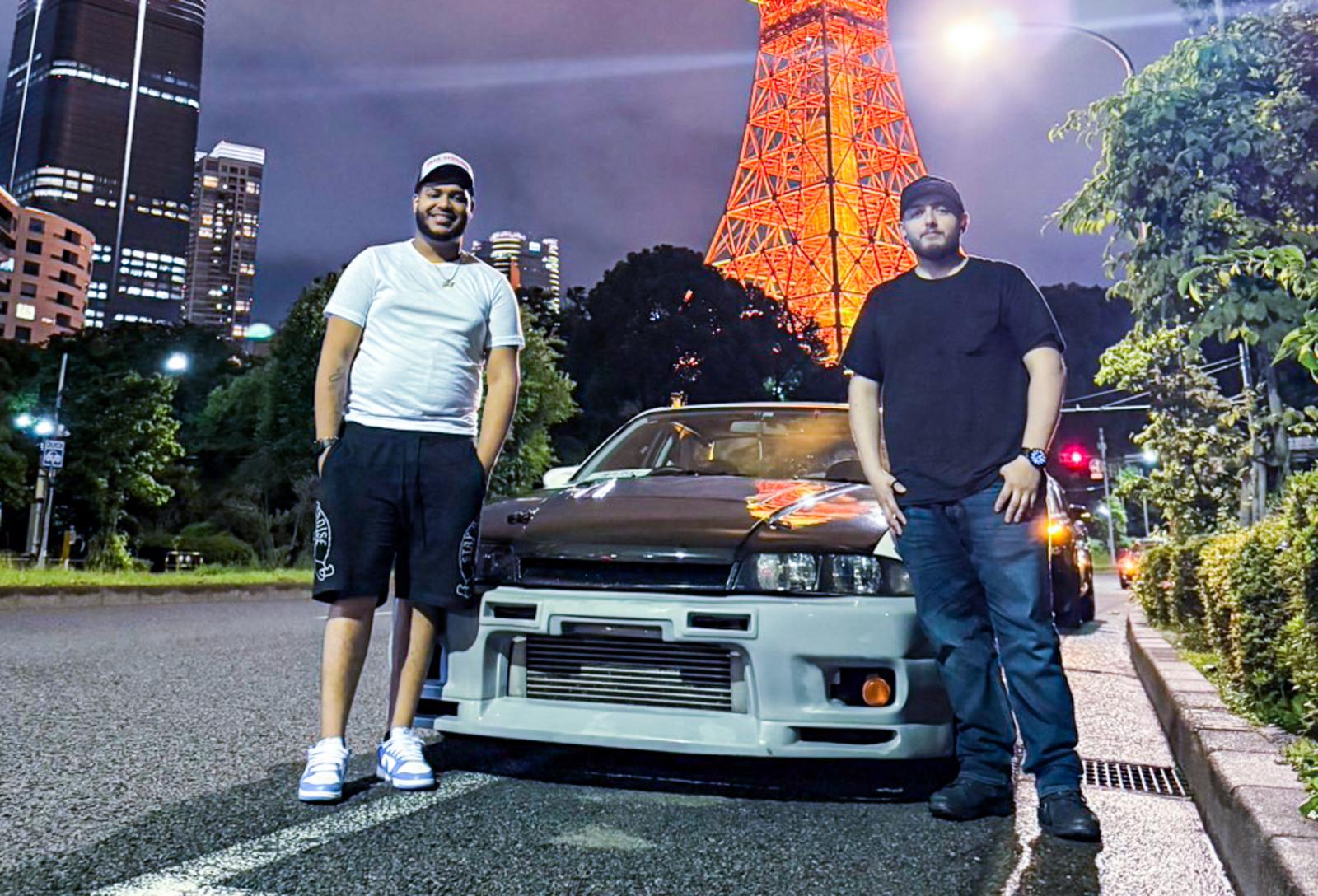
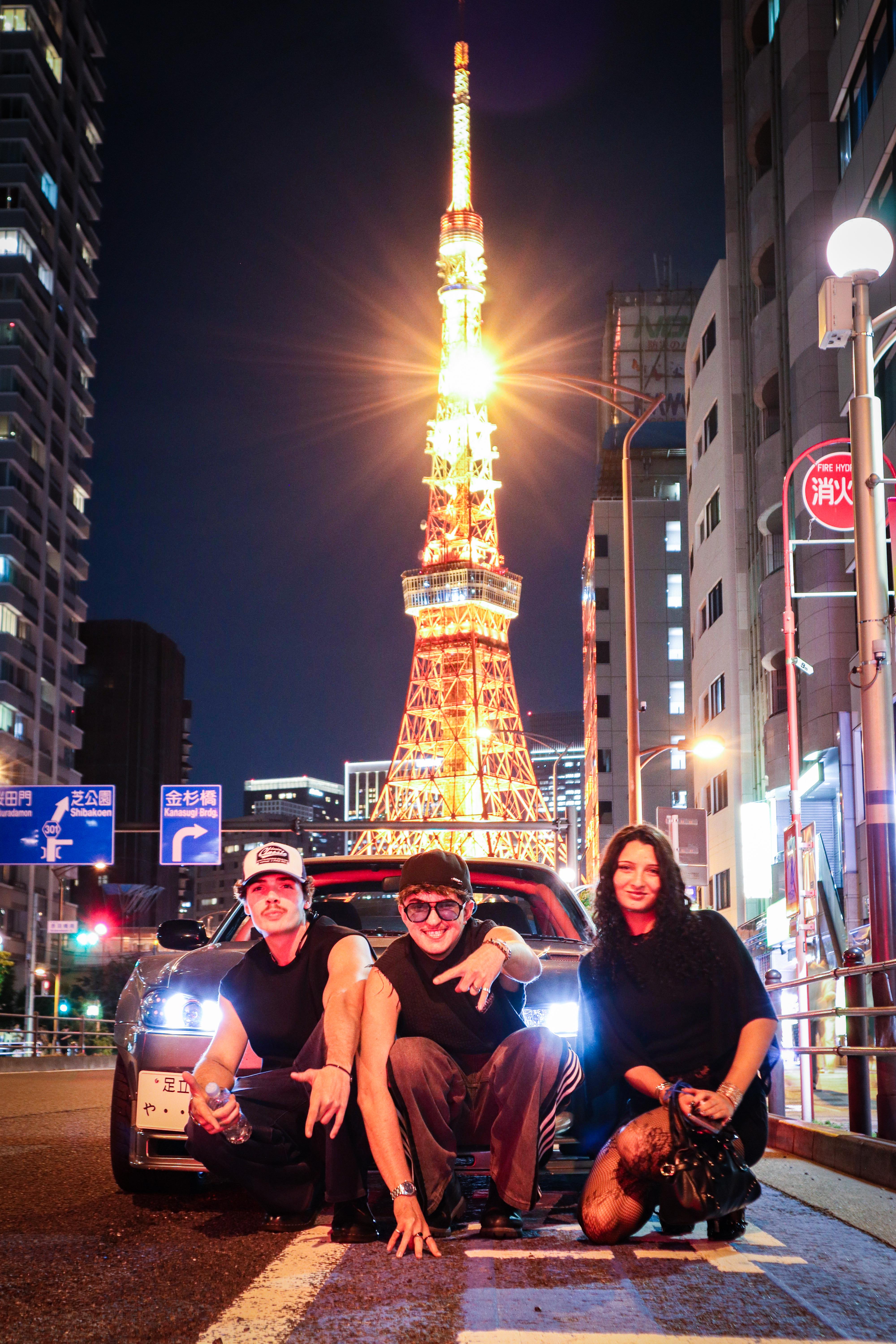
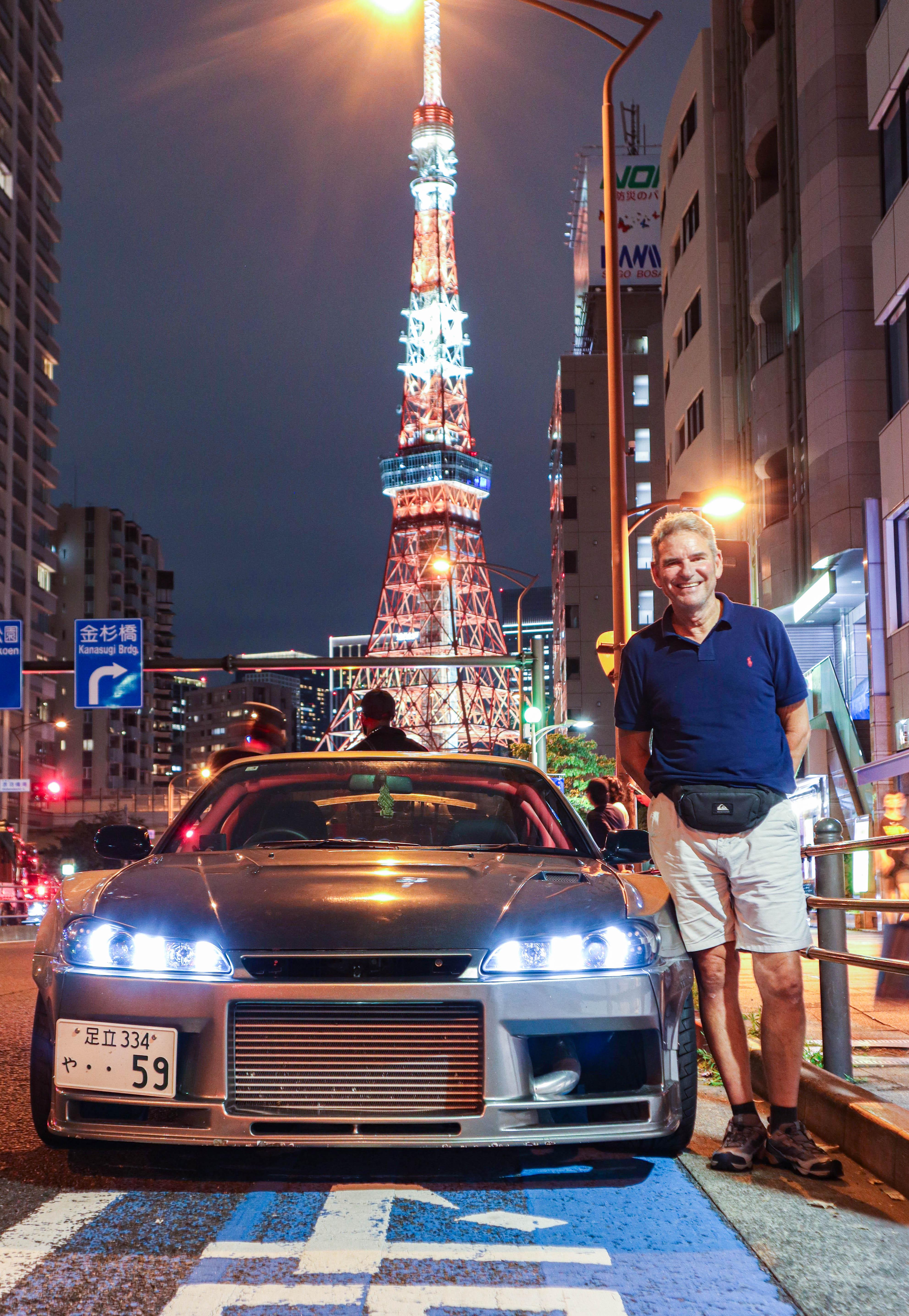
A thirty-minute run to a fifteen-minute photo stop at the illuminated Tokyo Tower, then twenty-five minutes home. Your guide shoots souvenir photographs on a DSLR along the way, which is included rather than upsold — a small thing that reviewers mention constantly, because photographing a car you are sitting inside is otherwise impossible.
Photo Gallery
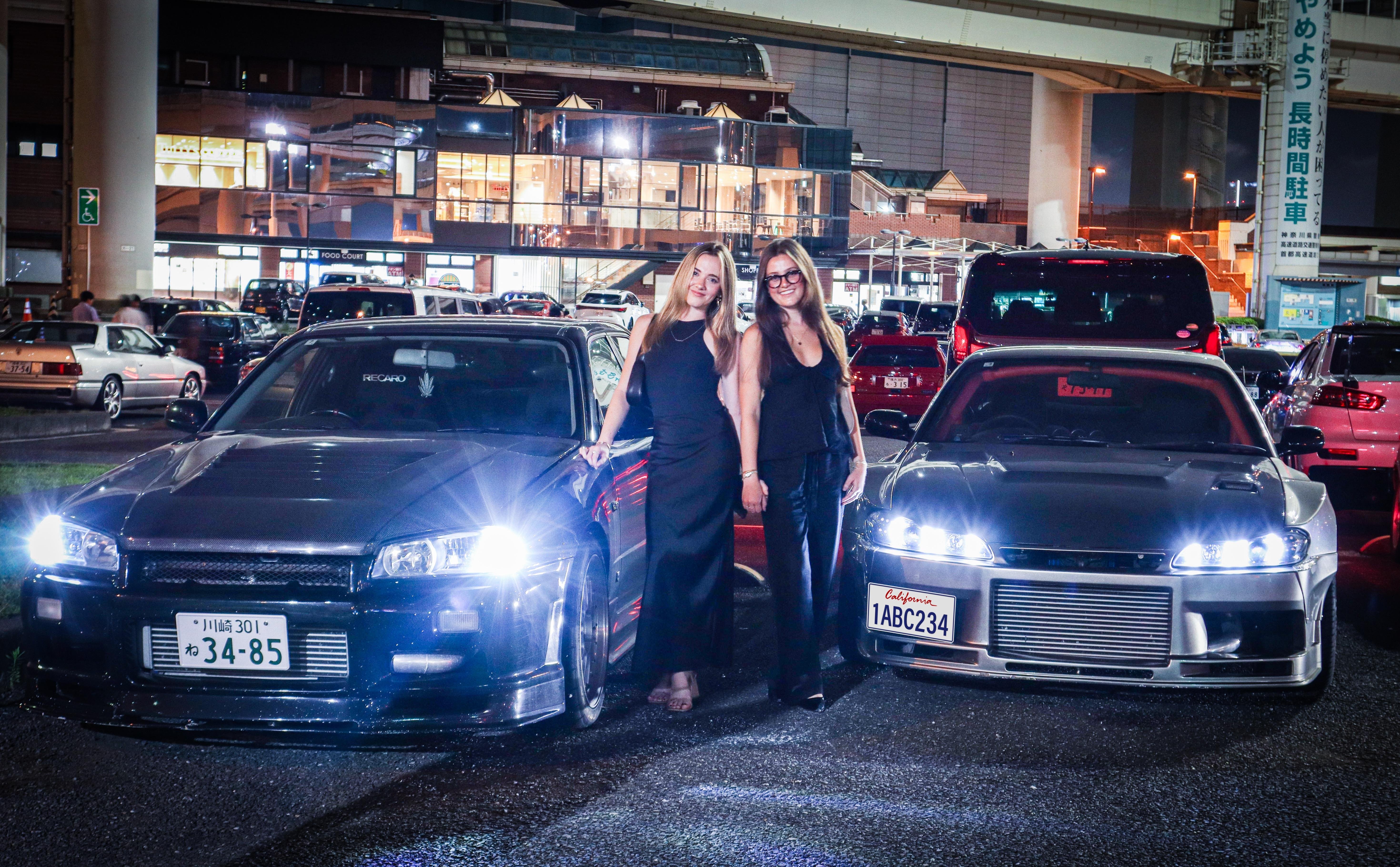
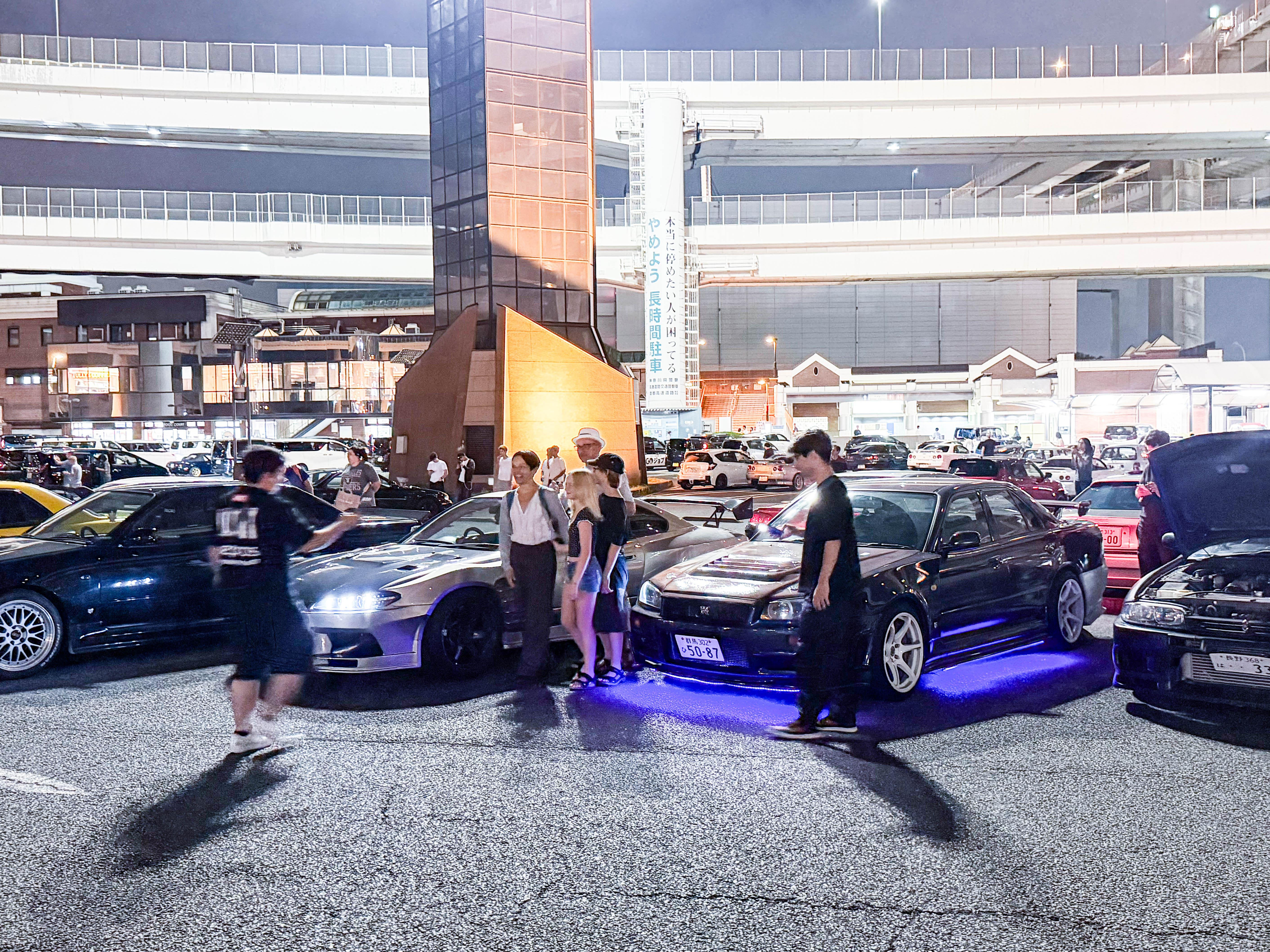
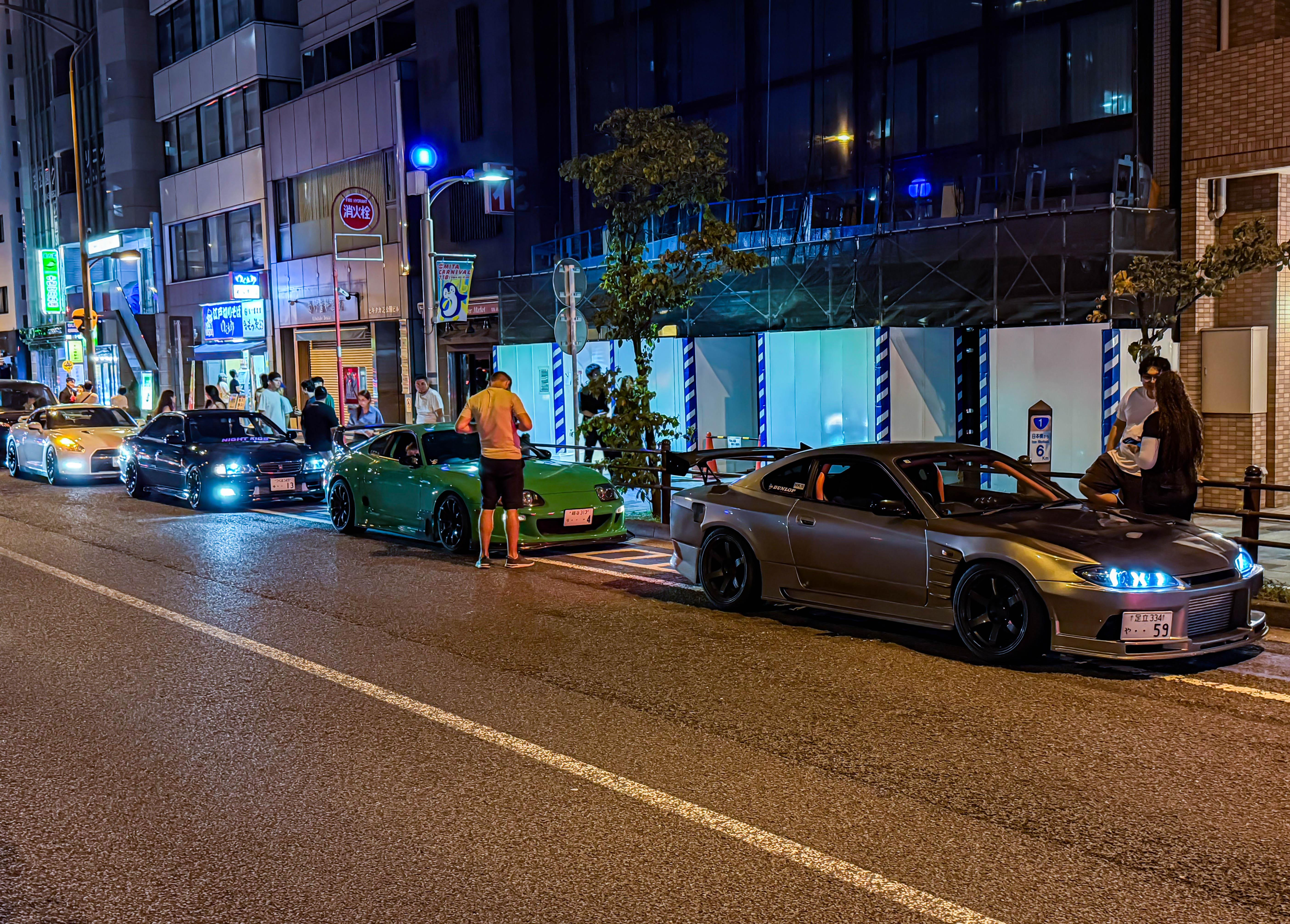
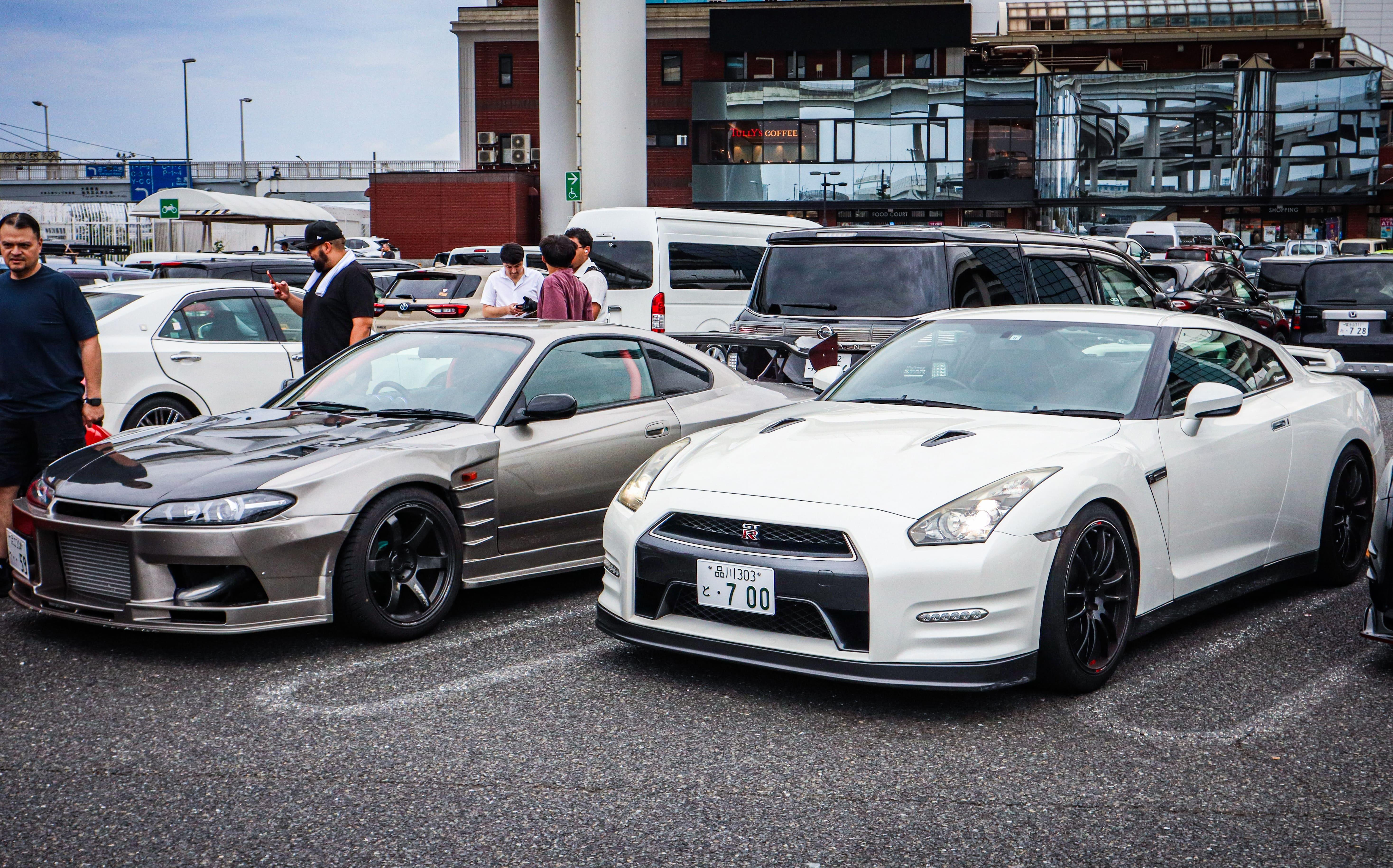
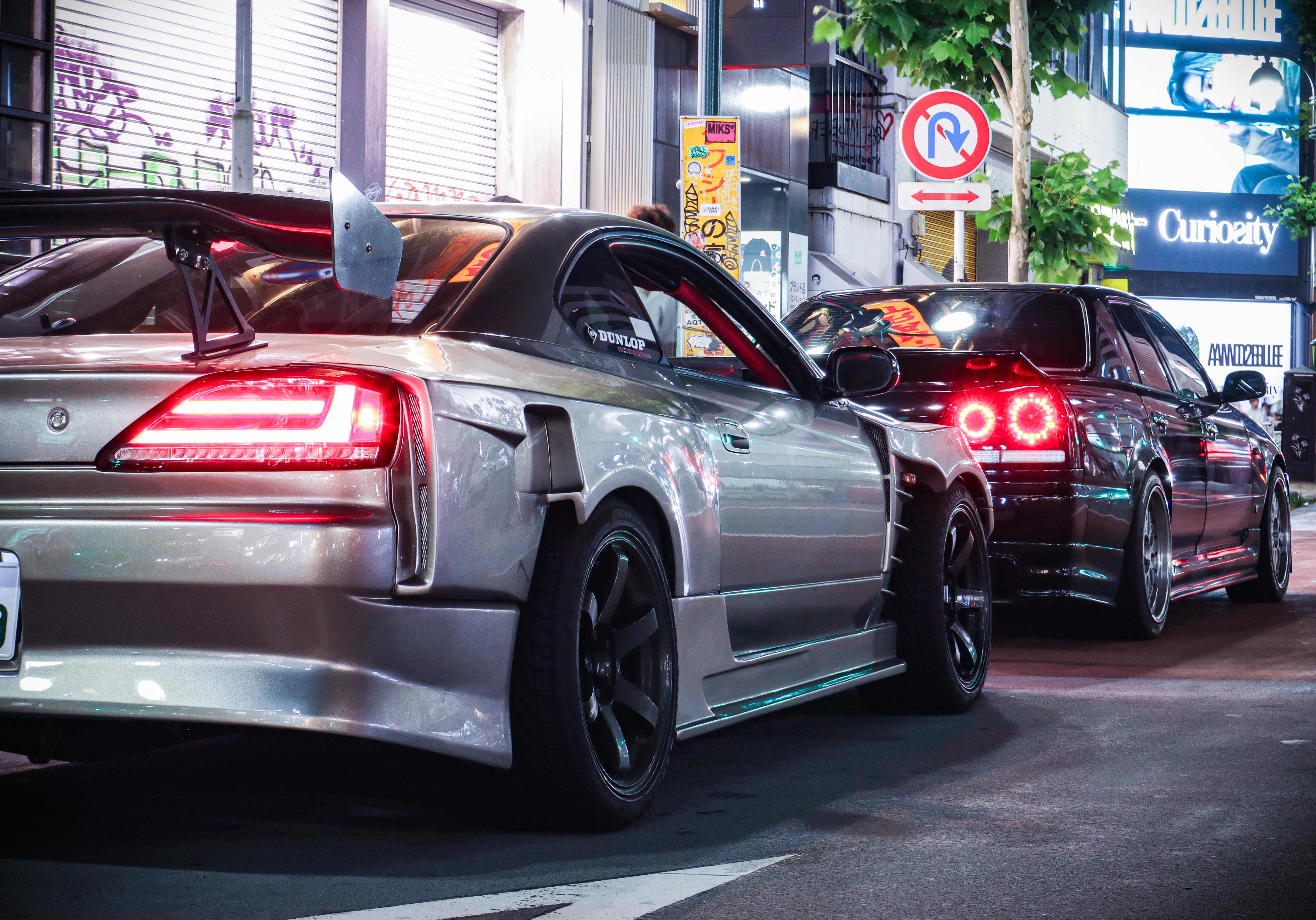
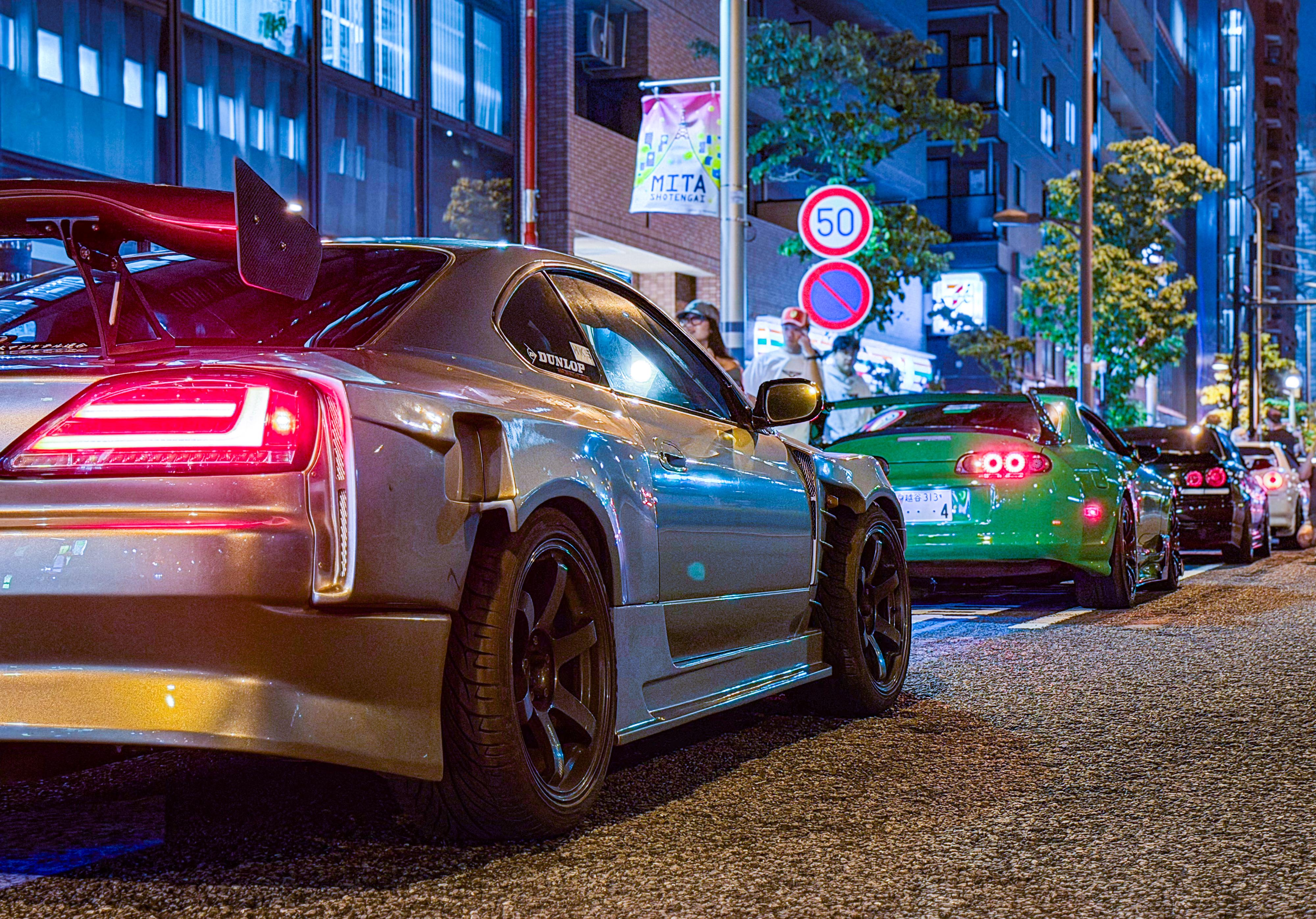
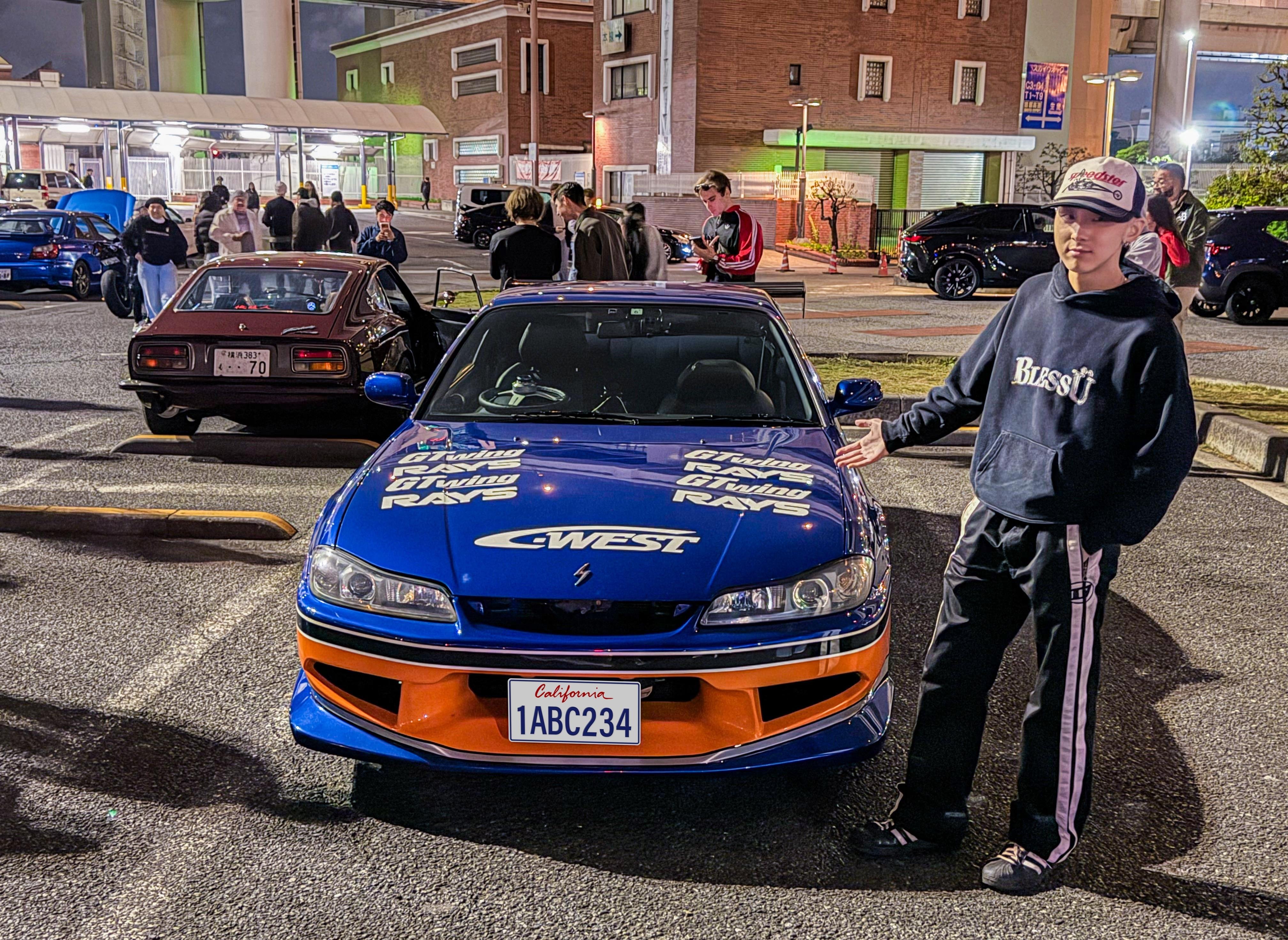
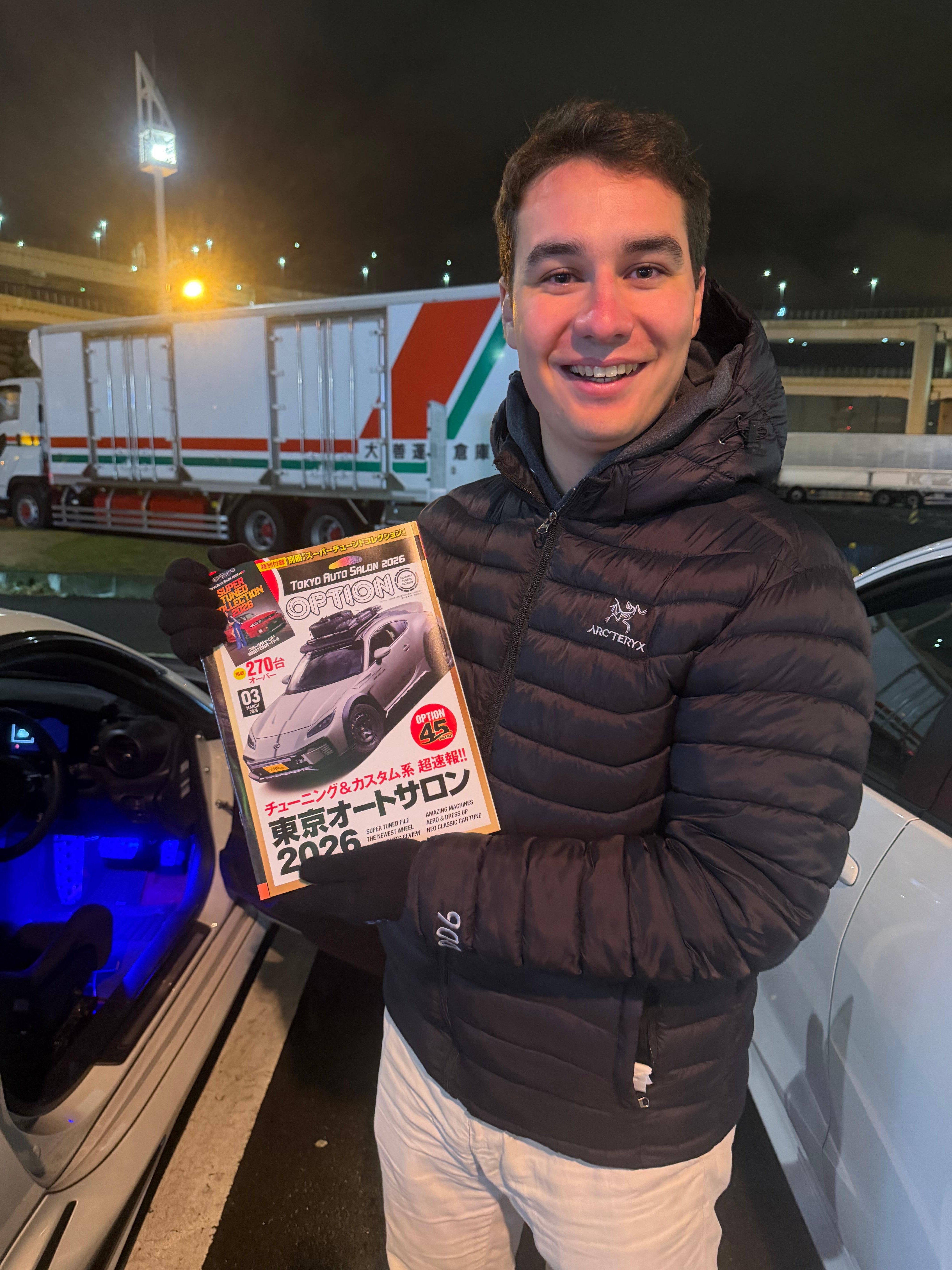
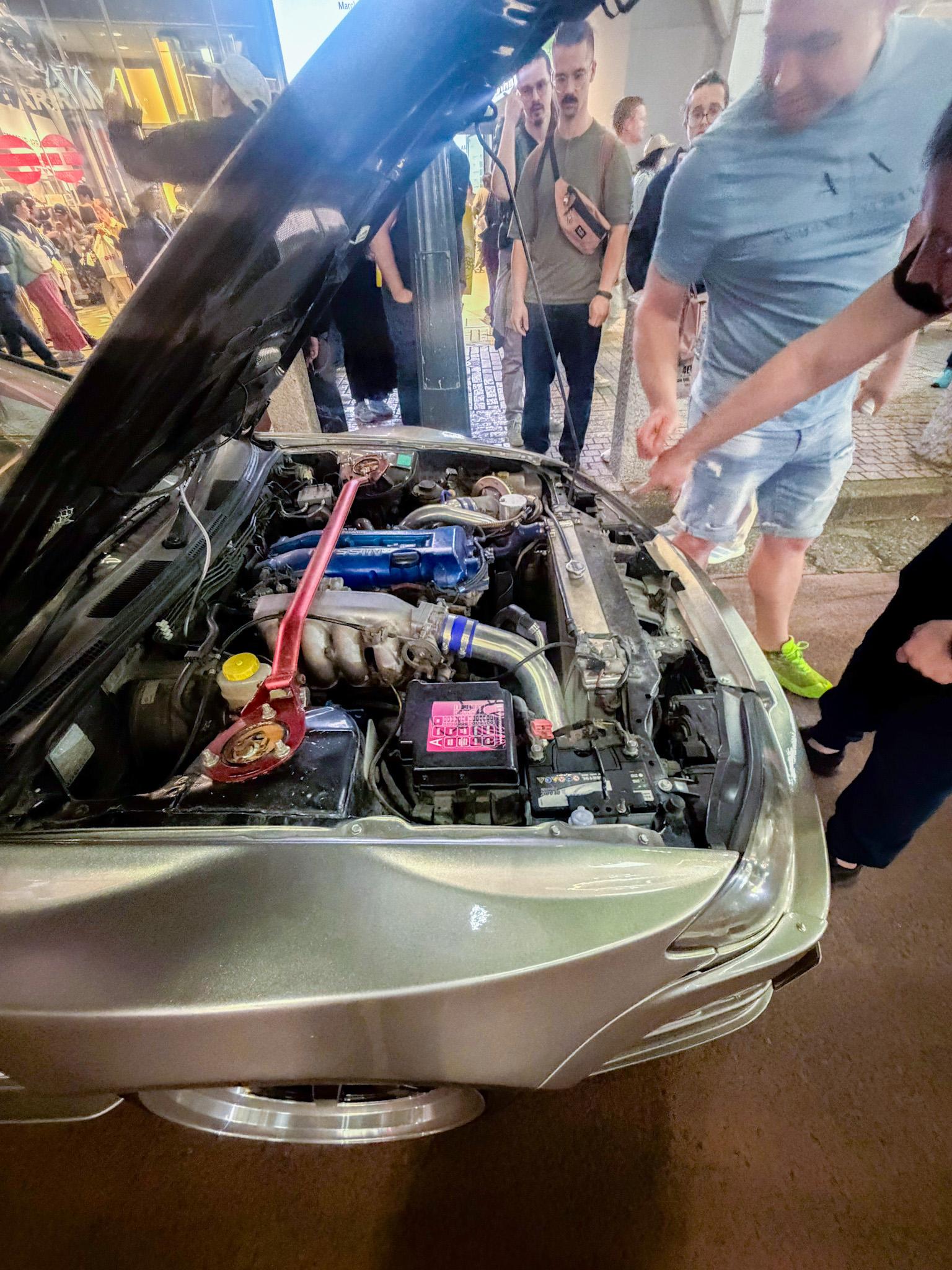
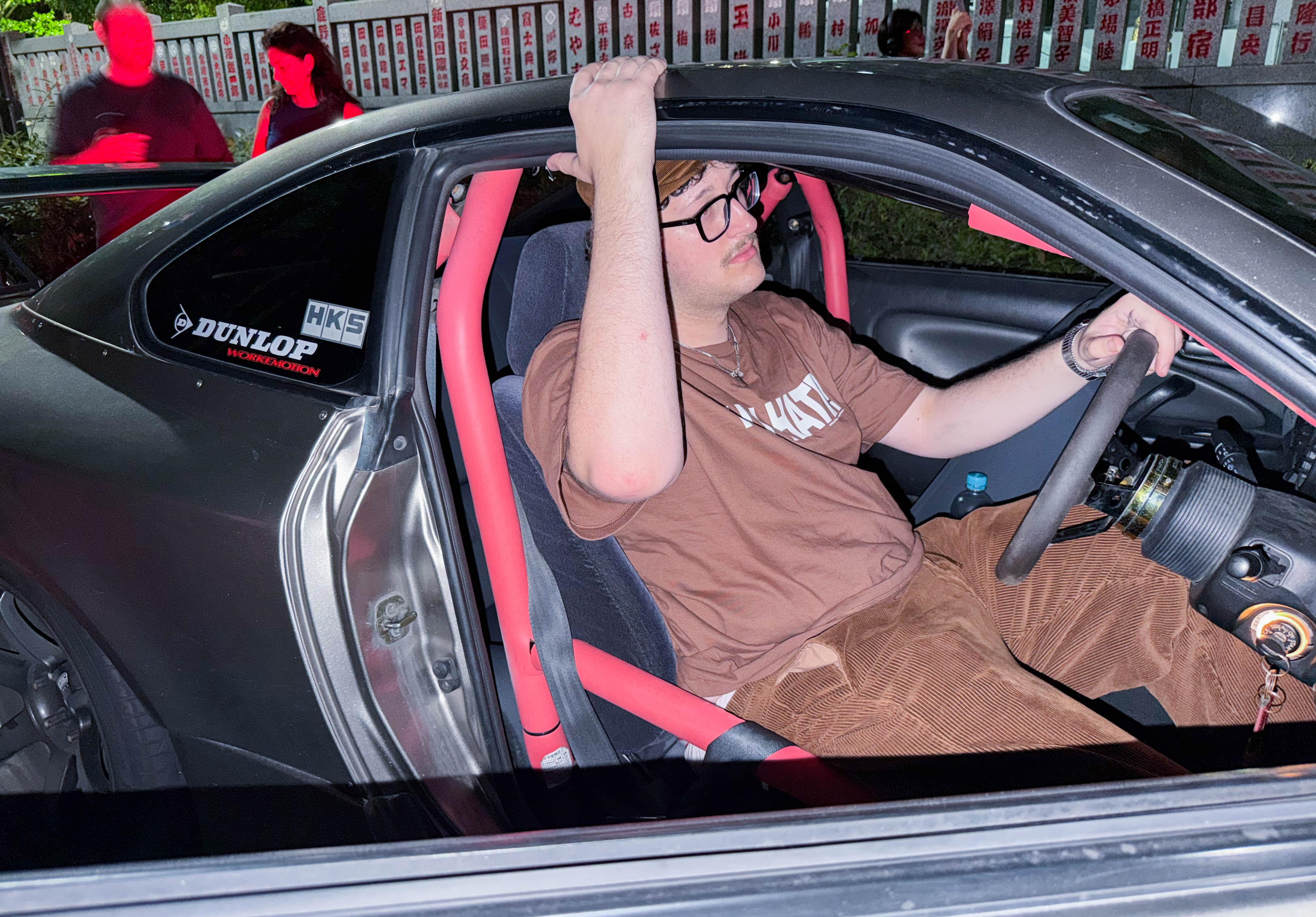
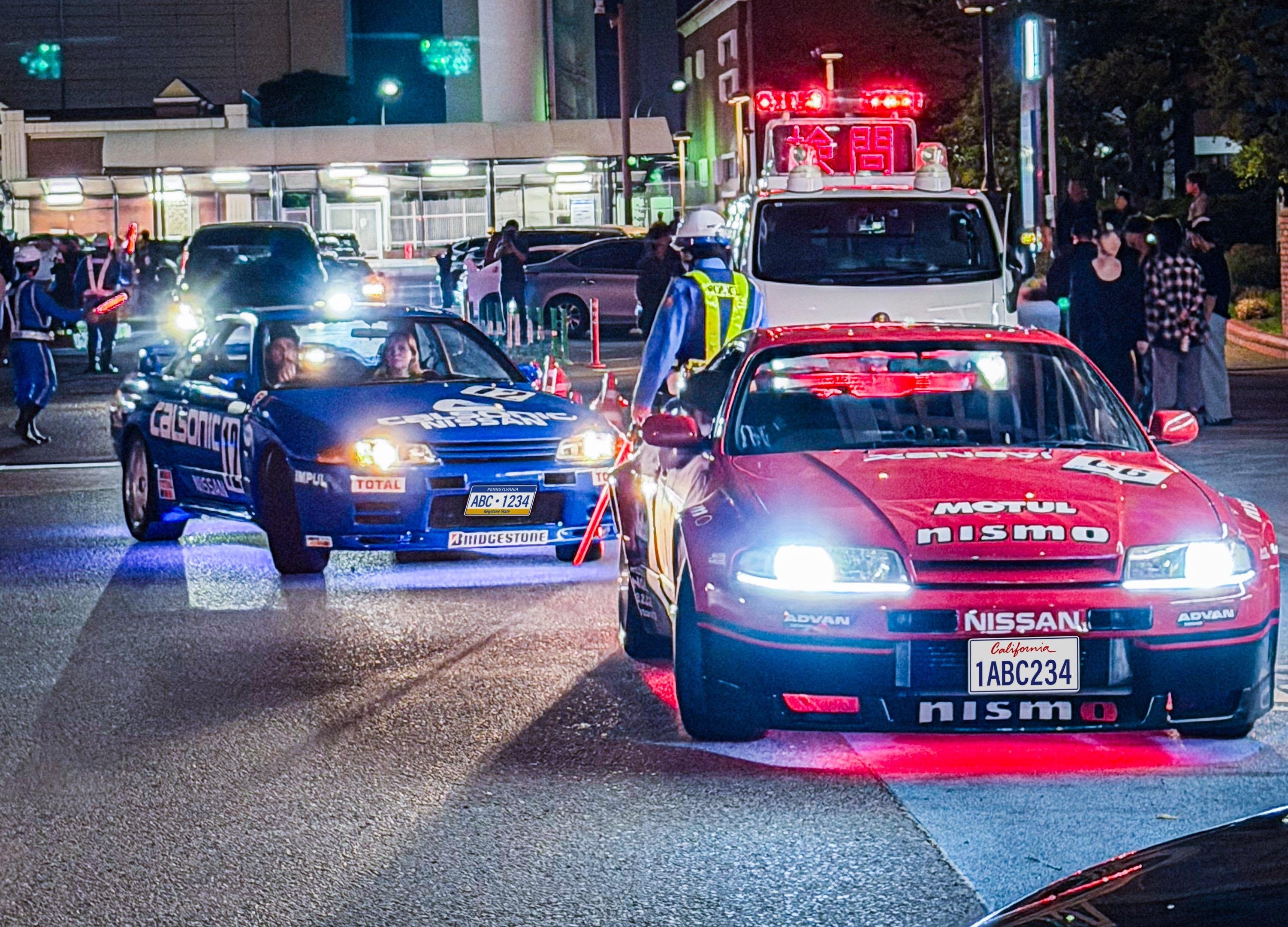
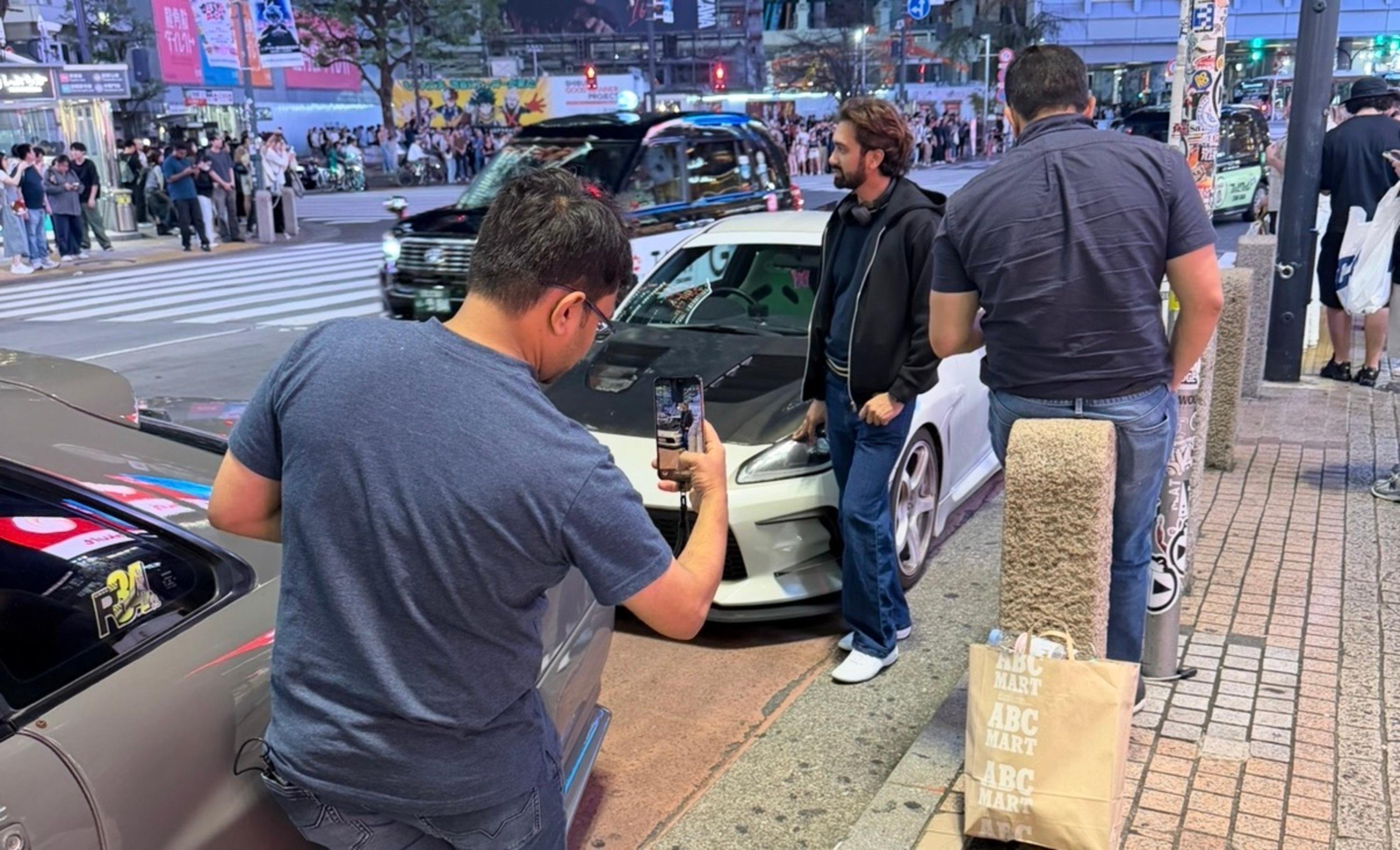
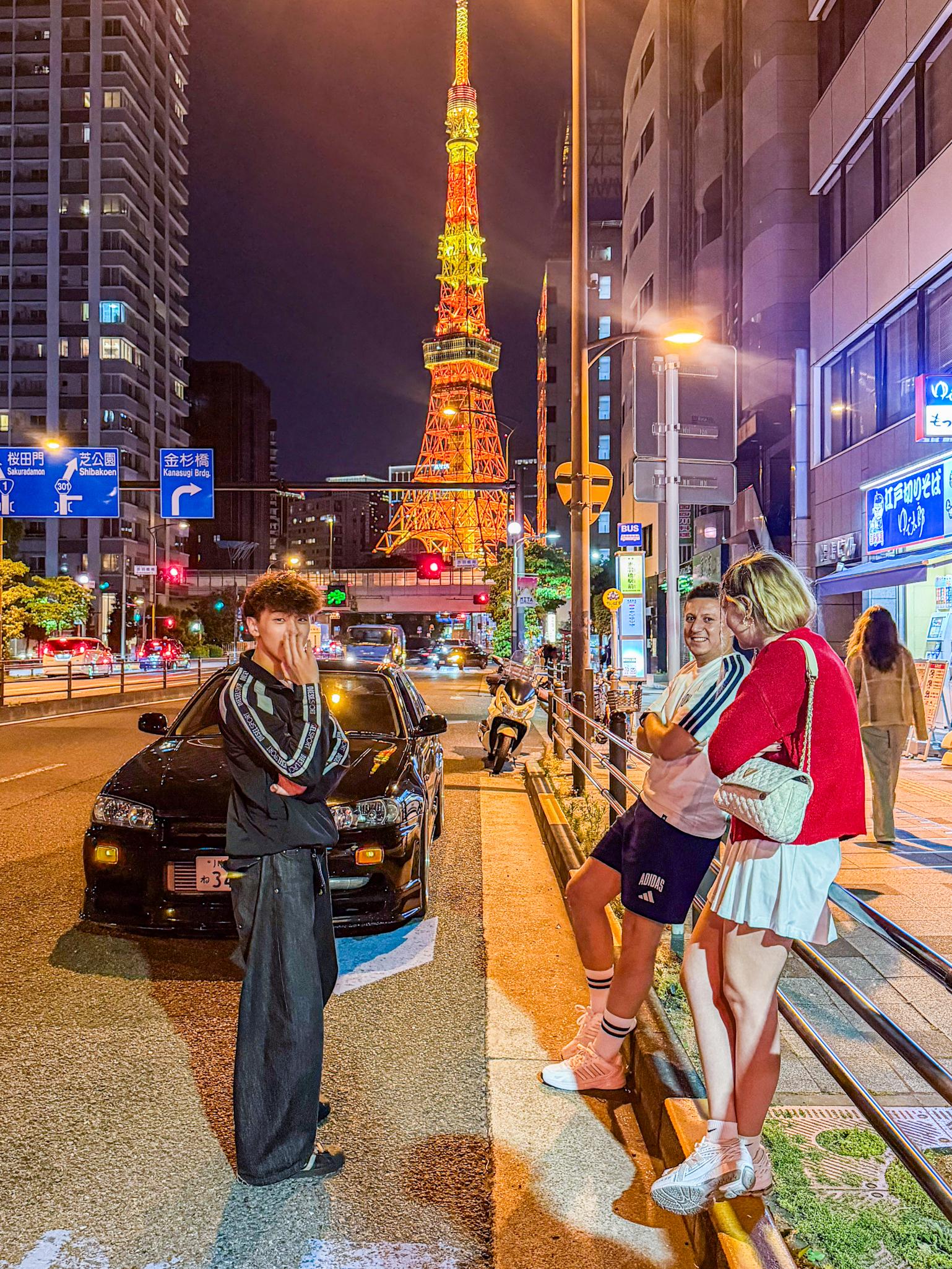
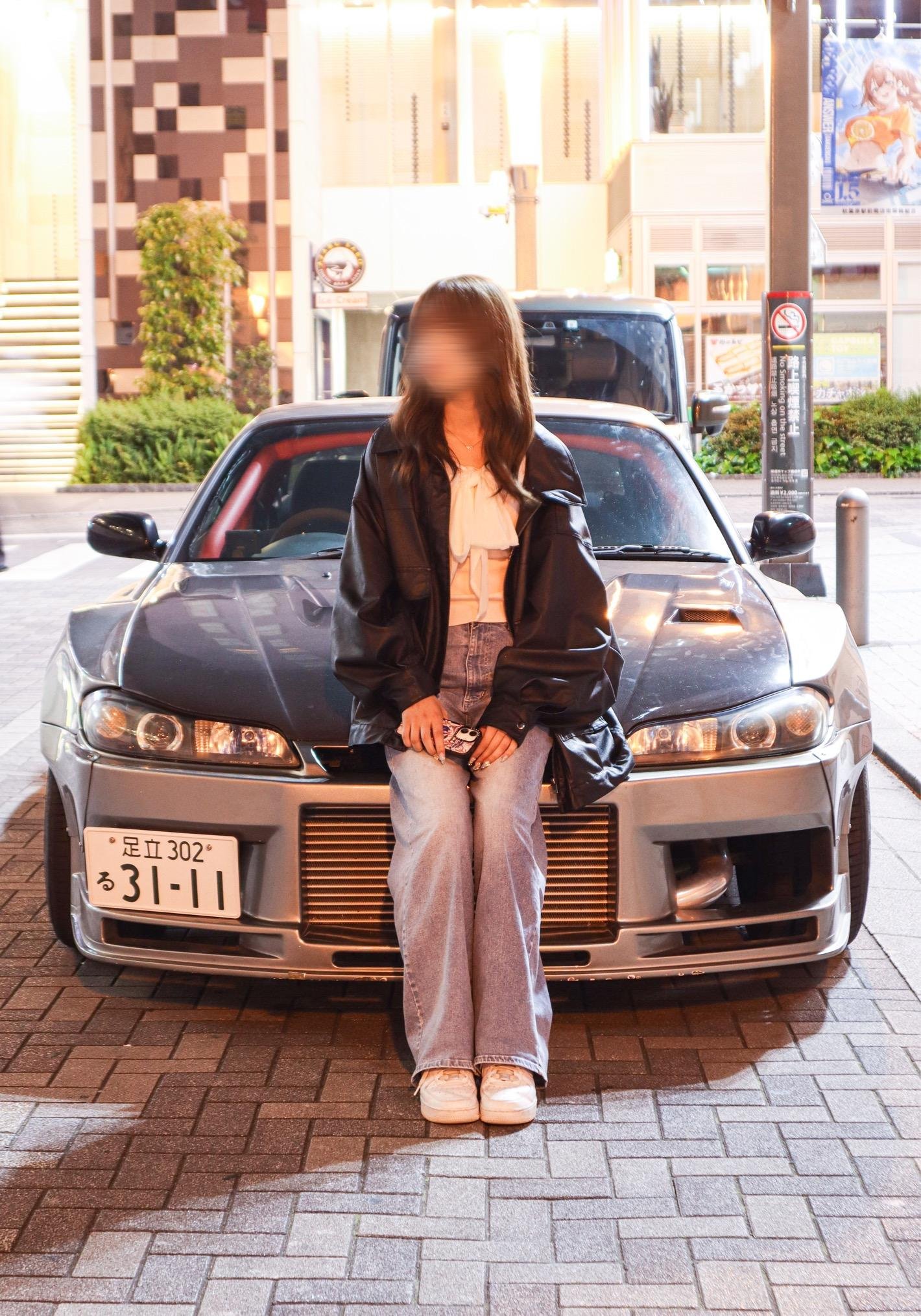
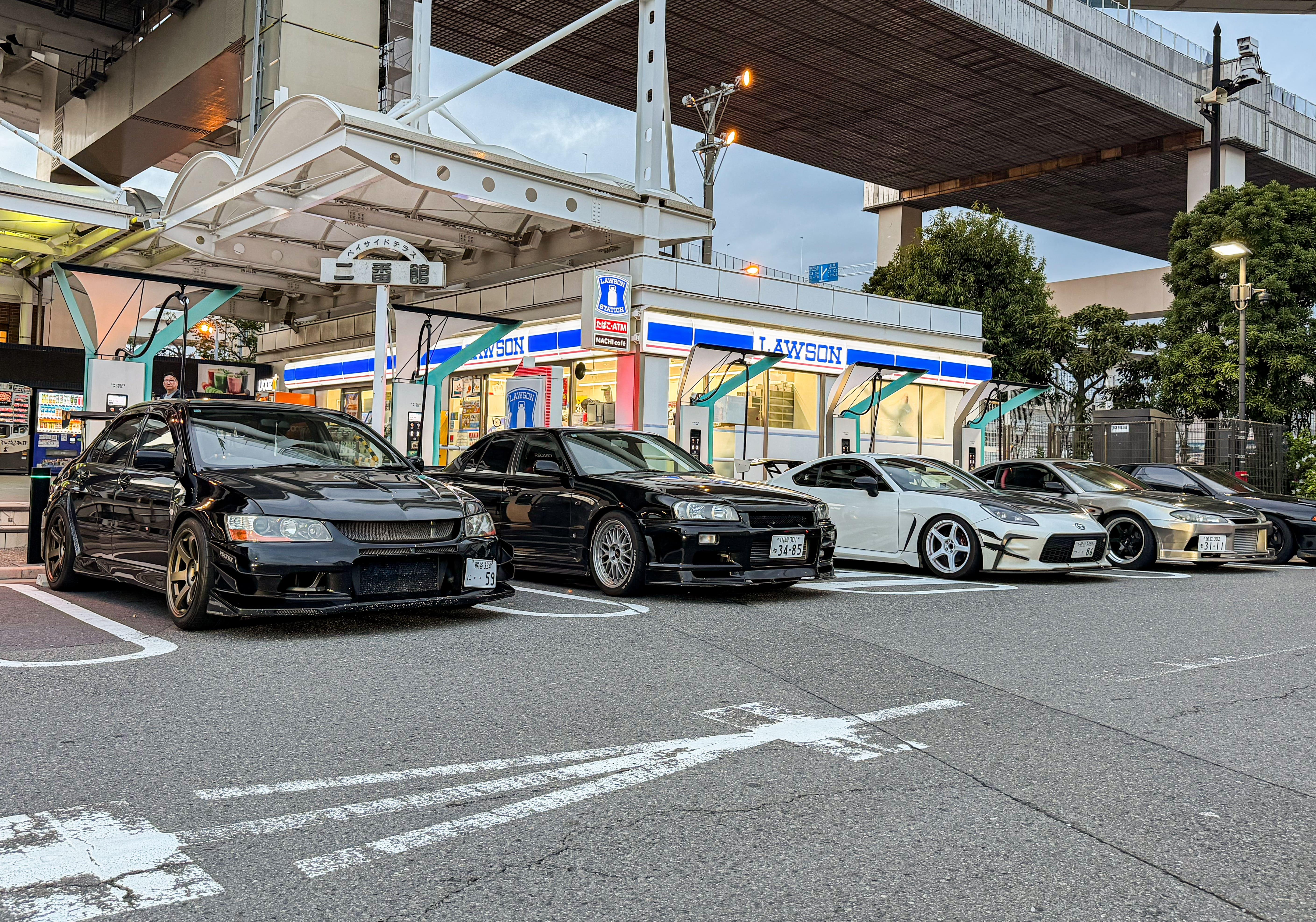
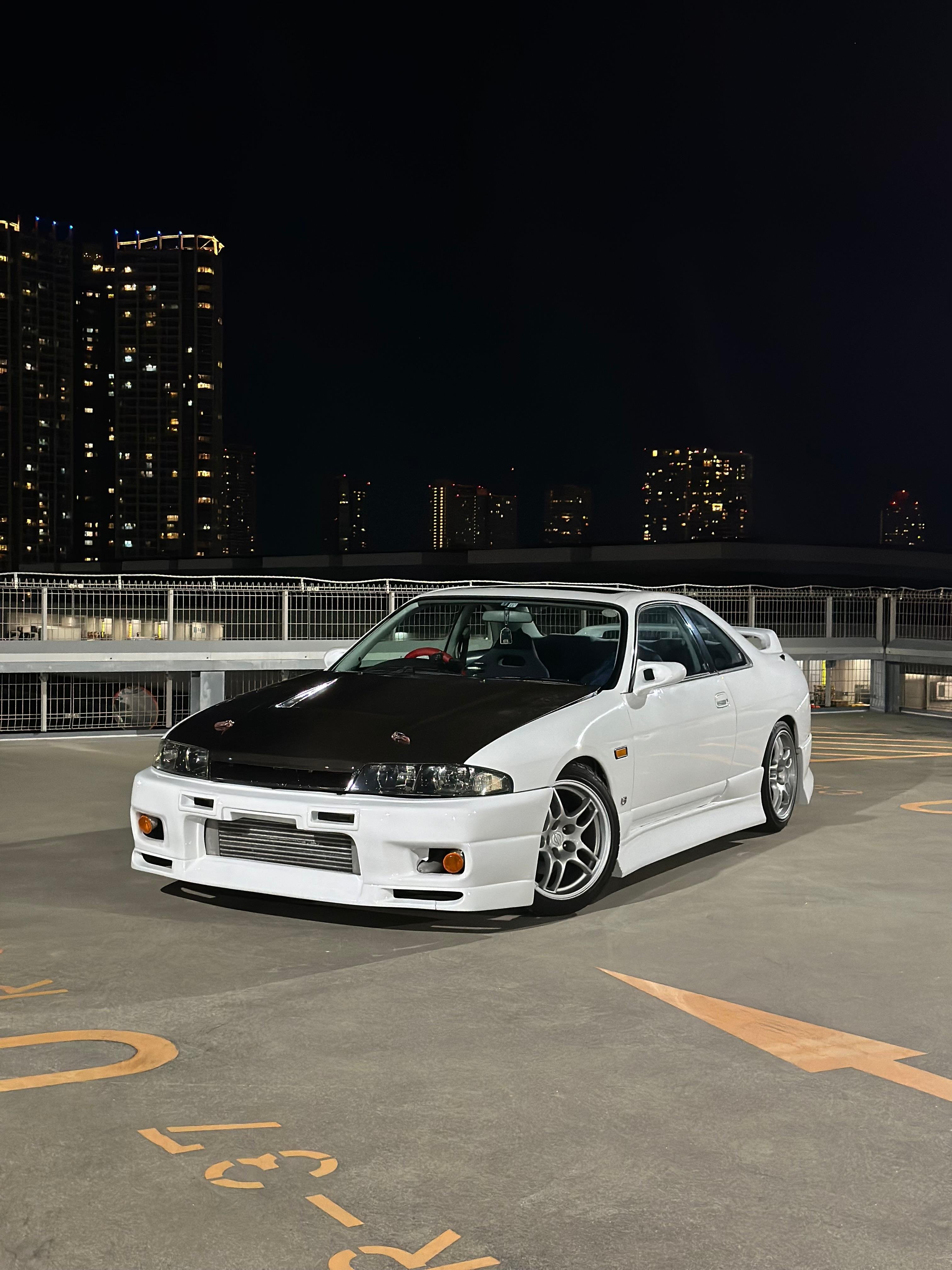
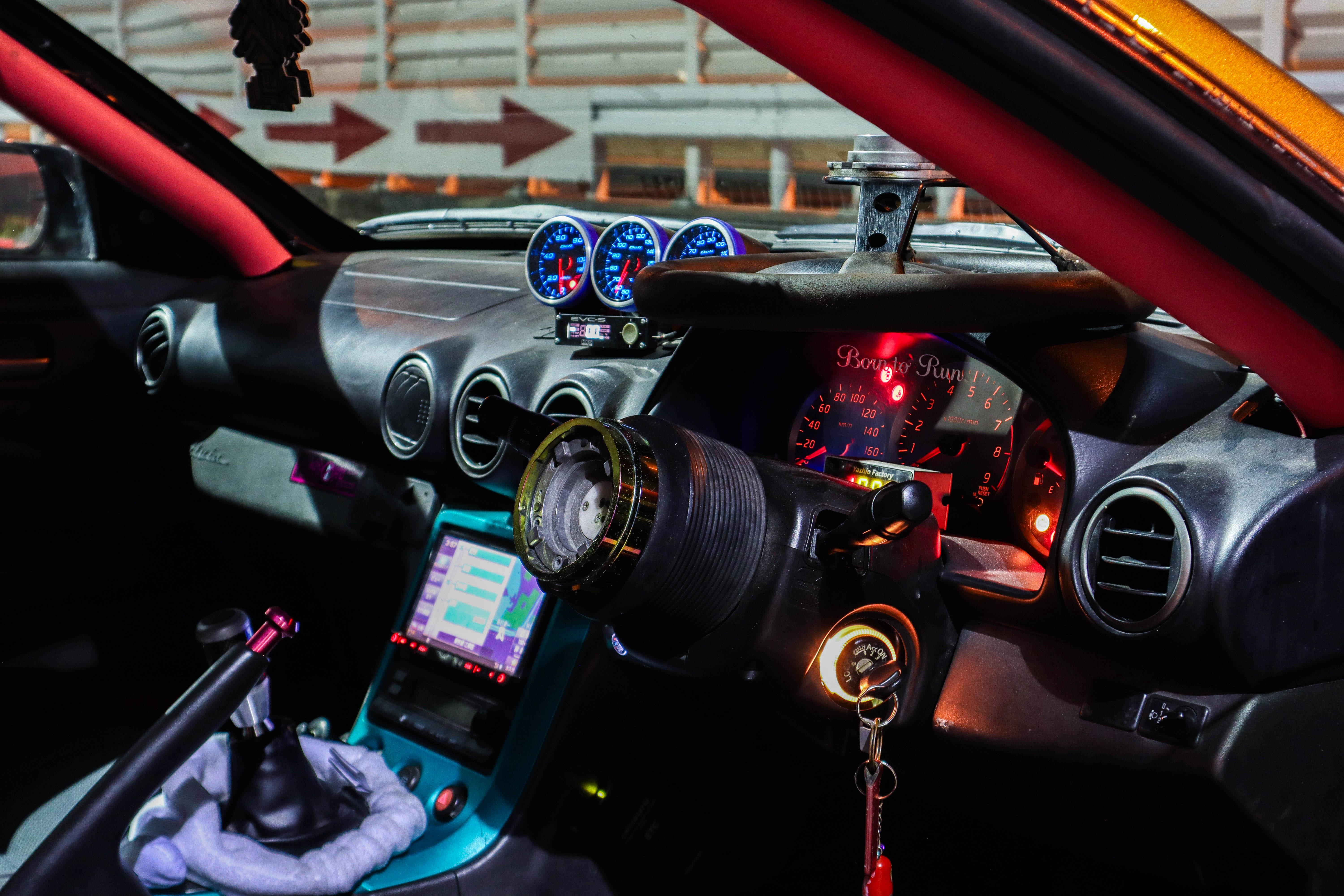
R34s, Silvias, Supras and Chasers on the bridge, in the tunnels and parked up at Daikoku.
Book Your Experience
Select your preferred date and time. Instant confirmation — free cancellation up to 24 hours before departure.
All three take you to the same car park on the same expressway. What separates them is who owns the car you are sitting in, and how honestly the listing describes it.
| Feature | THEIR OWN CARS Owner-Driven Daikoku Drift Ride | Fast & Furious Tokyo Drift III | Midnight Car Culture with Hotel Pickup |
|---|---|---|---|
| What You Pay | From $121 per person | From $124 per person | From $76 per person |
| Whose Car Is It | The driver's own build. The listing states it plainly: no company fleet cars, every team member drives the machine they built and maintain | A company fleet the operator puts at around 40 sports cars, spanning JDM and beyond | The operator's own vehicles, on a fixed midnight route with hotel pickup |
| Which Chassis | Named pool: Skyline R34 and R33, widebody S15 Silvia, JZA80 Supra, JZX100 Chaser, R35 GT-R — all heavily modified | Assigned on the night. The listing asks you not to request a specific car, because it depends on your date and the drivers working | Confirmed by the operator; the smallest review base of the three at 19 |
| Rating & Reviews | 5.0 from 338 verified reviews | 4.8 from 5,040 — by far the deepest base in our data | 5.0 from 19 |
| Photos | Souvenir photographs taken by the guide on a DSLR, included | Bring your own camera — the listing says so | Not specified on the listing |
| The Route | Rainbow Bridge, the Wangan Midnight expressways, an hour at Daikoku PA, Tokyo Tower photo stop | A-PIT Autobacs 30 min, an hour at Daikoku PA, Tokyo Tower 20 min, Rainbow Bridge en route | A midnight route to Daikoku PA with hotel pickup and drop-off |
| Private or Shared | Shared on the standard plan — the listing states you may ride with other passengers | Explicitly not private. Three passengers per car, with 10 to 50 cars running on a given night | Shared |
| What It Will Not Do | Illegal street drifting is in its written exclusions, and so is being treated as a taxi service | No refund if weather thins the car meet. Not suitable for pregnant travellers or anyone with heart problems | Small review base, so treat the rating as directional rather than settled |
| Check Availability | See the Fleet Option | See the Entry Option |
More Options
A $76 entry seat, a filming-locations route, a Liberty Walk night, a five-chassis ride and the 5,040-review fleet option — priced from $76 to $124.
 ENTRY PRICE
Experience Tokyo’s legendary JDM car culture on an unforgettable night drive through the city’s most iconic automotive destinations. Whether you’re a lifelong car …
 FILMING LOCATIONS
Tour Description Begin your experience by riding in a classic **JDM performance car** to **Liberty Walk Tokyo (LBWK)**, one of Japan's most iconic tuning brands and …
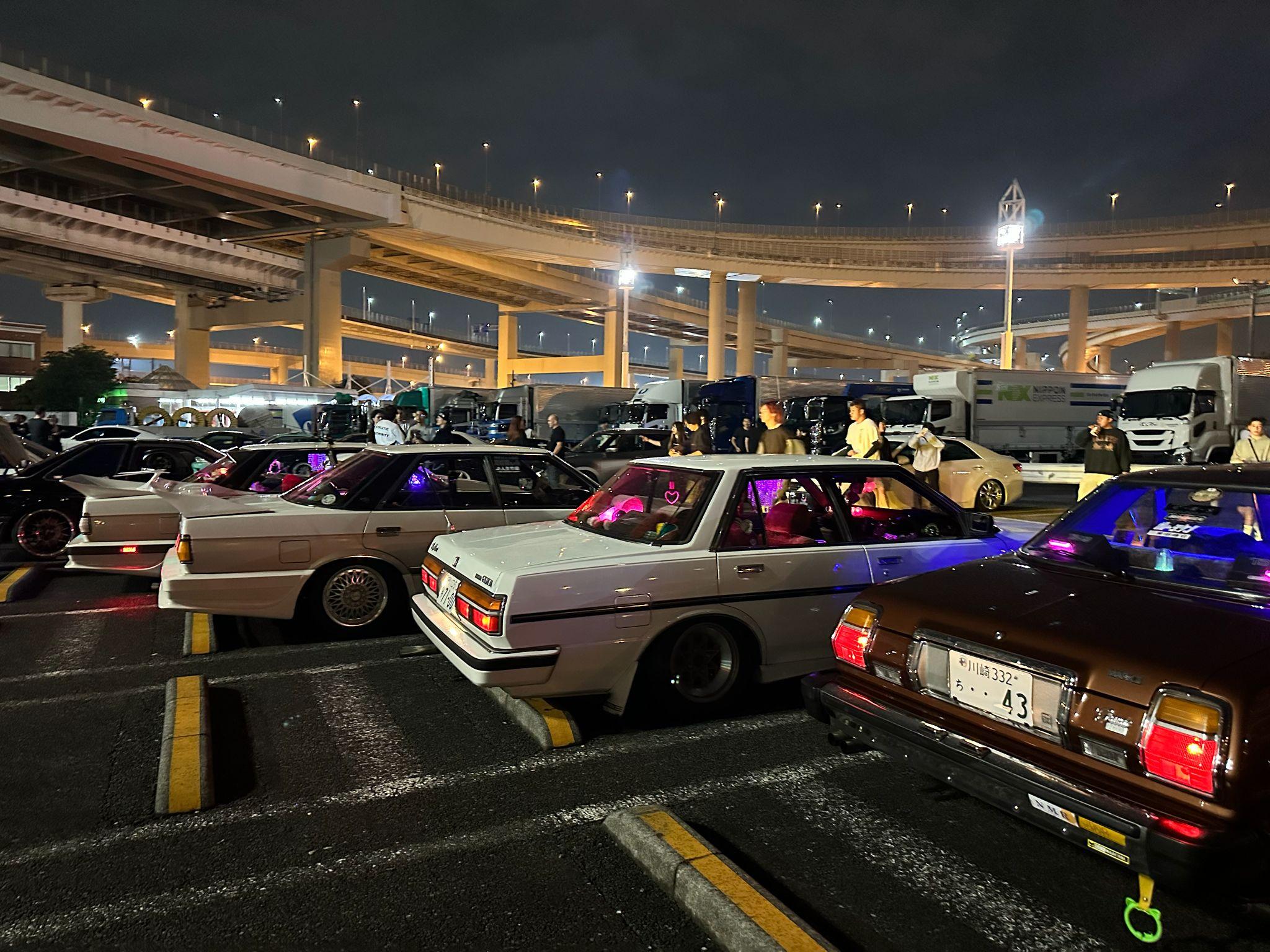 LIBERTY WALK
Tour Description Ride in one of our fleet’s classic modified JDM performance cars and experience the unique world of Japanese automotive culture. 【Liberty Walk …
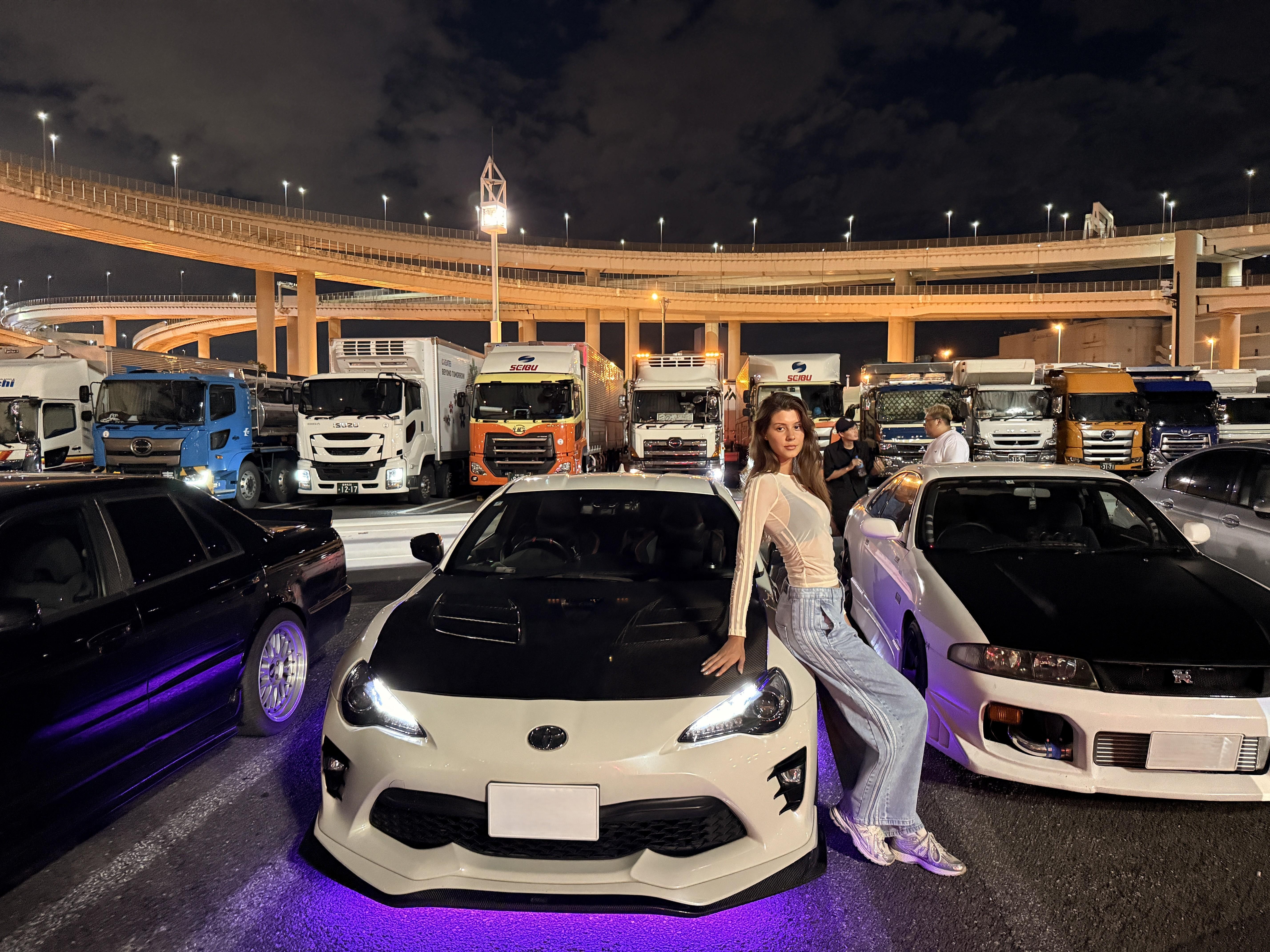 FIVE CHASSIS
Discover Tokyo's famous JDM car culture and visit some of Japan's most iconic car meeting locations. Available vehicles may include: • Nissan Skyline R34 • Nissan …
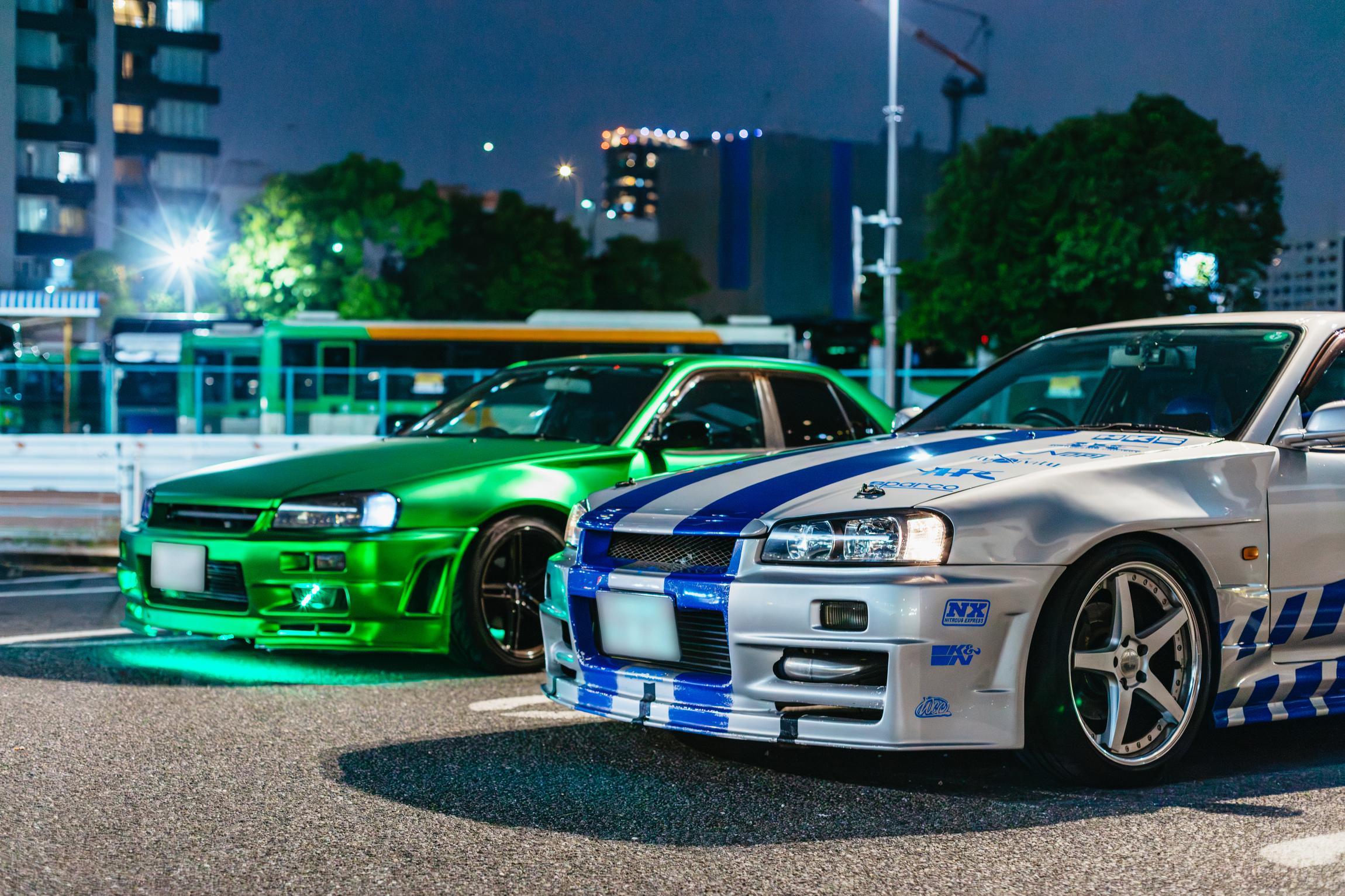 5,040 REVIEWS
Chosen and Recommended by Kaila Yu from Fast and Furious . If you are in Tokyo ? And uf you are READY !? Come and experience your best night in Japan and Immerse …
The Film
The lowest-grossing film in the franchise, shot largely on sets and in Los Angeles, with a director who hired a stand-in to be arrested in his place. What it did do was make this whole market exist.
The Fast and the Furious: Tokyo Drift is the reason this market exists, so it is worth being accurate about it before anyone spends money on the strength of it.
It is the third film in the series, released in 2006, and its lowest-grossing entry — roughly $159 million worldwide against an $85 million budget. It was made without either of the franchise’s leads. Vin Diesel appears for about thirty seconds at the very end, and he took the cameo not for a fee but in exchange for the rights to his Riddick character, which he later used to get a third Riddick film made. The commercial disappointment is precisely why the studio brought the original cast back for the next instalment.
And then the film did something the box office never showed. Two decades on, it is widely regarded as one of the best in the run, and it is the single largest reason a visitor to Tokyo now searches for a JDM tour at all.
This is the part that surprises people, and it changes what a “filming locations” tour can honestly promise.
Universal built sets and leaned heavily on visual effects — the production ran hundreds of effects shots. The Shibuya Crossing sequence, the one everybody remembers, was assembled with VFX rather than filmed as it plays. Shibuya is impossible to close for a shoot, so the effects team used multi-camera plates of the real crossing and reflected them into the cars and buildings.
Real Tokyo locations do appear, and you can stand in them: Takeshita Street in Harajuku, Kabukichō in Shinjuku, and a rooftop football pitch overlooking Shibuya.
There is one more thing worth knowing, and no tour page will tell you: Daikoku PA is not a filming location. The place every Tokyo Drift tour actually goes did not appear in the film. It became associated with it by culture rather than by camera — which is fine, and is arguably the more interesting outcome, but it is not what a listing implies when it puts both names in one title.
The most-repeated story about this film is also true, and better documented than most film trivia.
Judging the permit process unworkable for a foreign production, director Justin Lin shot in Shibuya without permission. To avoid being arrested and deported himself, he arranged for a stand-in to claim to be the director if the Tokyo Metropolitan Police turned up. They did. The stand-in was detained. The footage stayed in the film.
It is a good story, and it also explains a real constraint on your evening: the driving depicted in that film is illegal in Japan and remains so. Street drifting and high-speed expressway running are offences and are prosecuted as such.
Read enough listings in this niche and you notice the careful language. The tour featured here puts illegal street drifting into its written exclusions — not its highlights, its exclusions. It also excludes being treated as a taxi service, which is a licensing point rather than an attitude.
Occasionally a guest review uses the word drift loosely to describe enthusiastic driving. That is a reviewer’s vocabulary, not a product description, and you should not book on the strength of it.
What you actually get is better than a stunt, and the featured listing’s own highlight puts it bluntly: you are in a Japanese JDM sports car. Not a van. Not the tourist traps.
The featured operator opens its description with a direct shot at how most of this market works:
We don’t use company fleet cars. Every member of our team drives their own carefully built machine — the cars we love, maintain, and proudly represent.
The named pool is Nissan Skyline R34 and R33, a widebody Silvia S15, a Toyota Supra JZA80, a Toyota Chaser JZX100 and a Nissan R35 GT-R, all described as fully modified and far from stock. You are not promised one specific car, but you are told the whole list, which is more than most.
Contrast that with the largest operator in Tokyo, which runs a company fleet it puts at around forty cars and asks in writing that you not request a specific one, because availability depends on your date and which drivers are working. That is an honest description of a different business — and it is why that product carries 5,040 verified reviews against this one’s 338. Depth of review base and control over the car pull in opposite directions here, and no listing gives you both.
| What you want most | Book | Trade-off |
|---|---|---|
| The driver to own the car | Owner-driven ride, $121 | Shared on the standard plan; the exact chassis is a pool of six |
| The safest, most-reviewed choice | Fleet operator, $124 | You cannot pick the car, and it will not be private |
| The lowest price | Entry seat, $76 | Small review base — treat the rating as directional |
| A specific chassis, contractually | Private R34 hire, $379 per group | Only worth it at three or four people, where it is $95 each |
Book that route for what it is — a night drive through the real geography of the culture, with a car park at the halfway point that might be spectacular. Treat a full lot as upside rather than the reason you paid.
We are not affiliated with Universal Pictures or any manufacturer. This is an independent visitor guide with no affiliation to, endorsement from or connection with Universal Pictures, the Fast & Furious franchise, Nissan, Toyota, Mazda, Mitsubishi, Subaru, Daikoku Parking Area or any of the tour operators named here, and we use no film mark, marque or tuner logo. Film titles are referenced factually. Tours shown here are sold by GetYourGuide, and we earn a commission if you book through our links at no extra cost to you.
Written 10 August 2026.
Guest Reviews
"The tour was absolutely amazing, with our guide being super friendly and accommodating. He made sure we had a pleasant experience and even made sure we got all our photos taken! Definitely recommend :)"
"Xu is the best. Amazing driver and experience. Totally recommended!!"
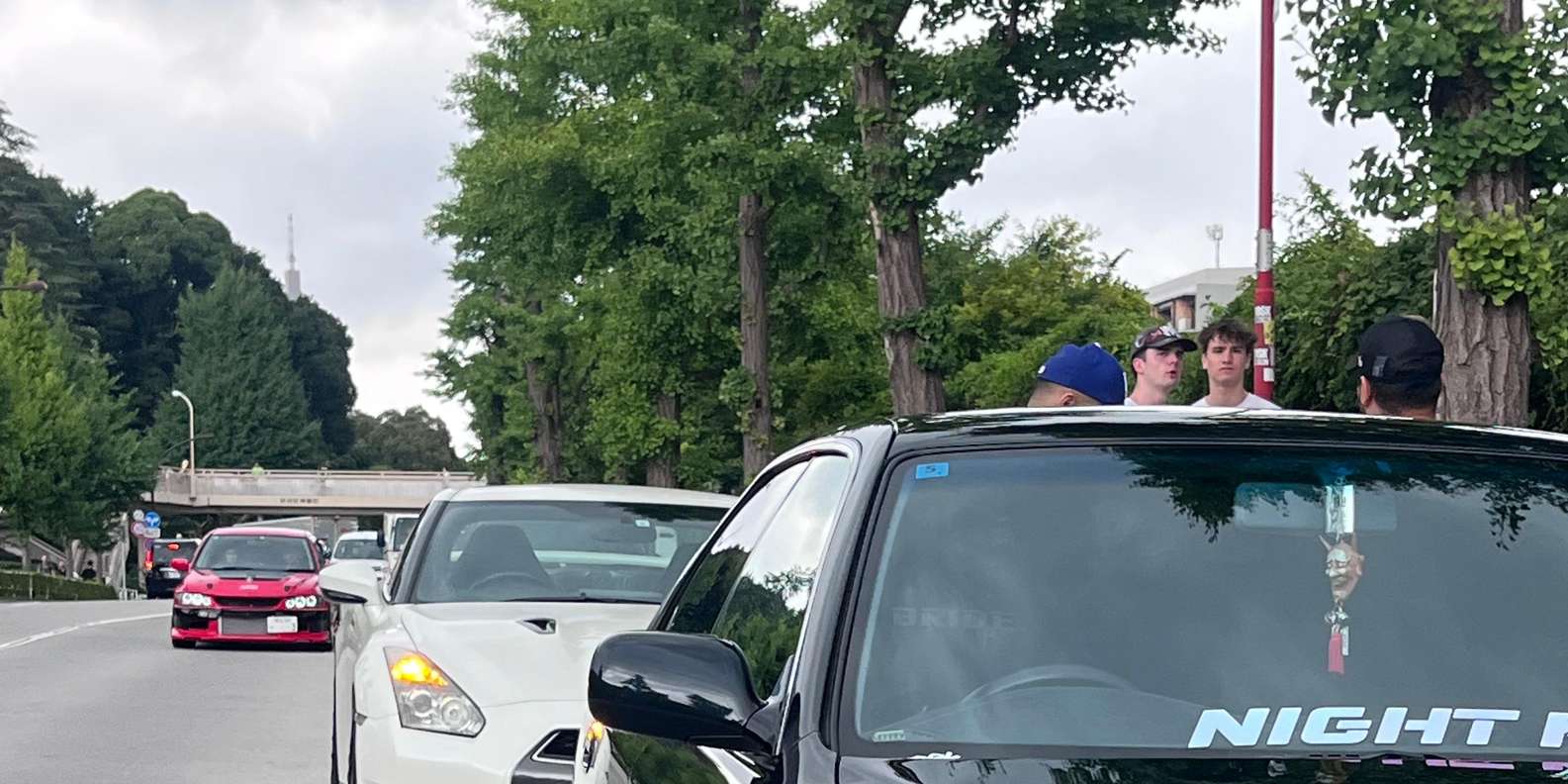
"Couldn’t get a better tour if you tried. I’m a very big car fan and when I say you won’t be disappointed….. you won’t be 👀🔥"
"It was an amazing experience to make with a professional driver, very safe and very funny! We are so happy to have encountered Yago, he's super nice and we'd love to meet him again one day while doing the Tokyo drift experience! Felt like a dream ! Thank you again for the tour, Arigato gozaimasu Yago 🙏"
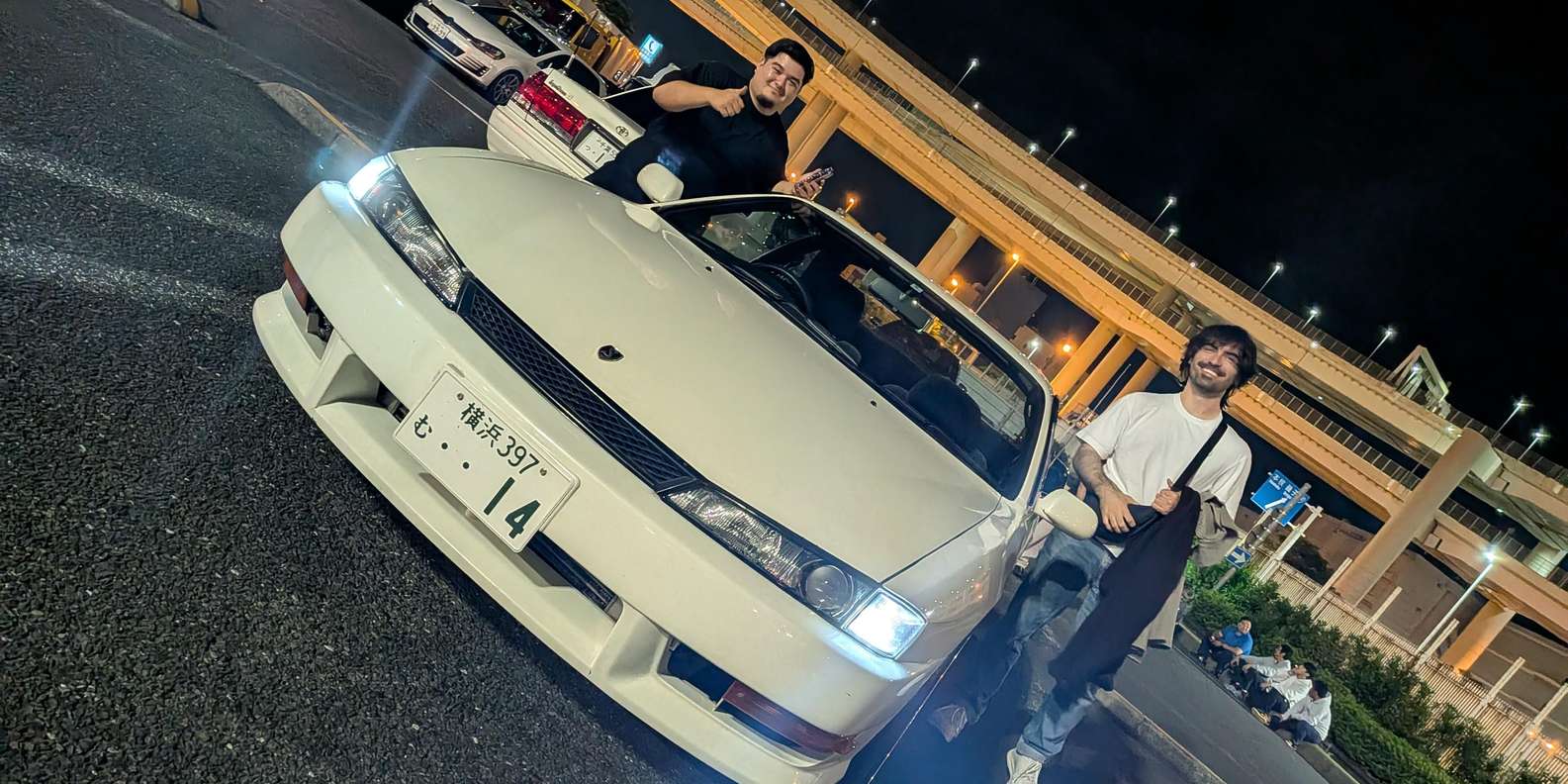
"Absolutely incredible experience from start to finish. The Daikoku Car Meet tour completely exceeded expectations. Seeing legendary these legendary cars up close at night felt unreal, especially with the atmosphere and energy at the car meet. The guide was fantastic, friendly, knowledgeable, and made the entire night smooth and exciting. Perfect for any car enthusiast visiting Japan. Easily one of the highlights of my Tokyo trip and something I’ll remember forever. Highly recommend this tour to anyone who loves Japanese car culture, or just fast cars in general. To top it off Haru is more than an amazing driver , he is an amazing photographer ."
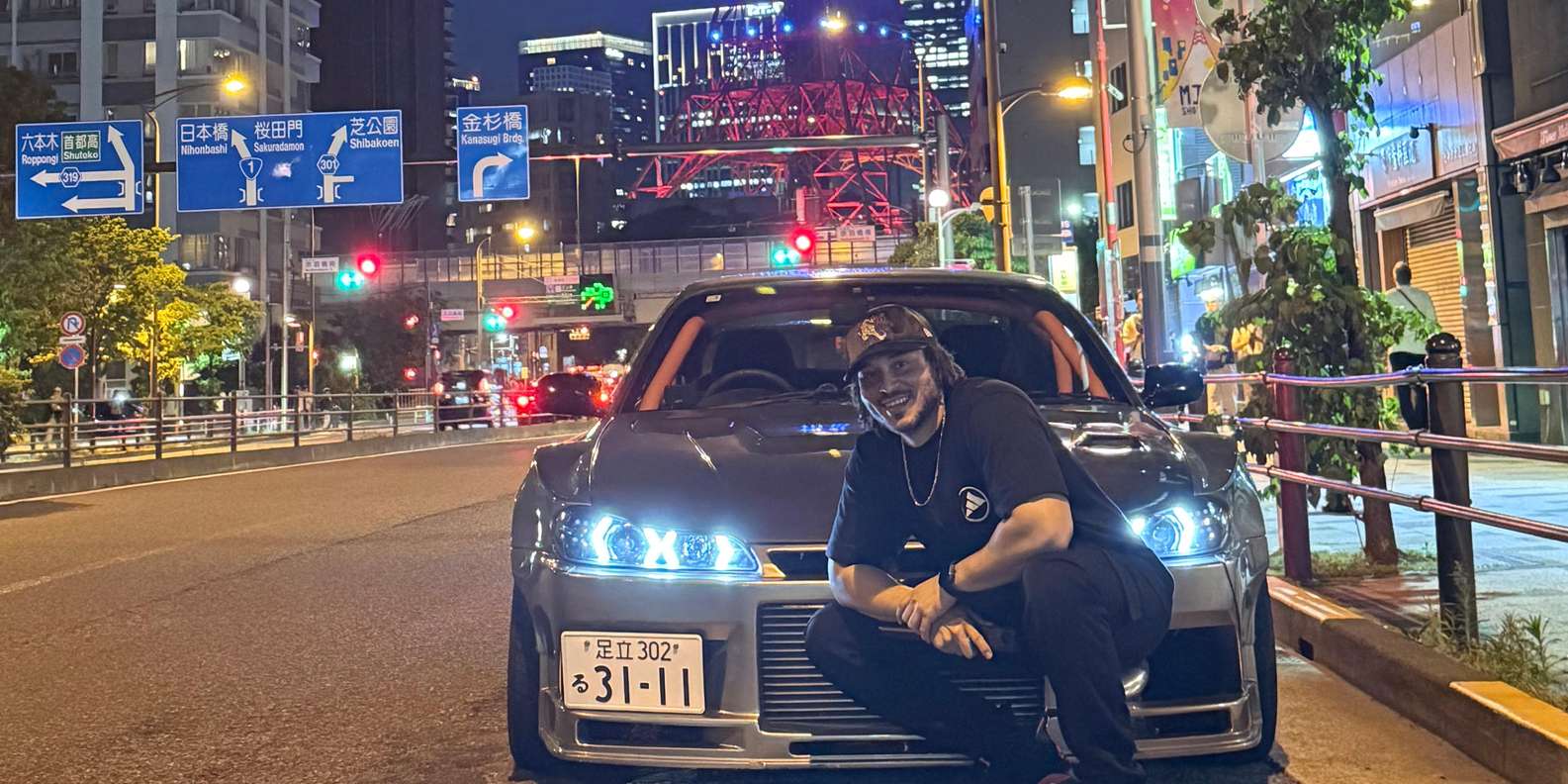
"One of the best tours someone could do!! Highly recommended."
"The tour was amazing, Ri was a great driver and such a chill guy. Would definitely go with him again."
"Haru was a great guide and you could feel how he is genuinely a part of the car community. His car was awesome and I had the best time riding in his Silvia"
Read all 338 verified reviews
See All ReviewsNo company fleet — a Skyline R34 or R33, a widebody S15 Silvia, a JZA80 Supra, a JZX100 Chaser or an R35 GT-R, all heavily modified and all owned by the person driving. Rainbow Bridge, the Wangan Midnight expressways, an hour at Daikoku PA, a Tokyo Tower photo stop and DSLR souvenir photographs included. Rated 5.0/5 by 338 verified guests, from $121 against a $161 list price, free cancellation up to 24 hours before. Starting from $121 per person.
Check Availability & BookCan't Make These Dates?
Find a tour that fits your schedule — all with instant confirmation and free cancellation.
The questions Google actually shows for the film, taken verbatim — answered with what is on the record, and a clear line between what the film did and what a tour does.
Because it is the only Fast & Furious film that is really about car culture rather than heists — and because it made a generation of Western viewers aware that Japan's tuning scene existed. It was the lowest-grossing entry in the series at roughly $159 million worldwide against an $85 million budget, and it was made without the franchise's leads. Its reputation has climbed steadily since, and it is now widely regarded as one of the best in the run. Two decades on, it is still the reason most people book a JDM night in Tokyo.
Partly, yes — and the production planned for it. Faced with a permit process he judged unworkable for a foreign shoot, director Justin Lin filmed in Shibuya without permission. To avoid being arrested and deported himself, he arranged for a stand-in to claim to be the director if the police arrived. They did arrive, the stand-in was detained, and the footage stayed in the film. It is one of the better-documented guerrilla shoots in modern studio filmmaking, and it is why some of those street shots look the way they do.
The filming was partly unpermitted; the driving depicted is illegal in Japan and remains so. Street drifting and high-speed expressway running are offences, prosecuted as such, and no legitimate operator sells either. One tour listing in our data goes as far as putting illegal street drifting in its written exclusions. What the tours actually sell is the geography and the machinery, at legal speeds — the Wangan expressways, the Rainbow Bridge, the tunnels and an hour in a car park full of the real cars.
The third film in the series, released in 2006, after The Fast and the Furious (2001) and 2 Fast 2 Furious (2003). Its chronology within the story is another matter and a common source of confusion: later films retconned its events to sit after Fast & Furious 6, which is why Han appears alive in the intervening instalments. So it is the third film made and, in story order, much later — a genuine quirk rather than a mistake by whoever told you otherwise.
He is — for about thirty seconds at the very end, and he negotiated that cameo for the rights to Riddick rather than for a fee. Diesel had stepped away after the first film and did not return for 2 Fast 2 Furious. For Tokyo Drift he agreed to appear as Dominic Toretto in the closing scene in exchange for Universal handing him the rights to his Riddick character, which he later used to get a third Riddick film made in 2013. The absence of both leads is also widely blamed for the film's soft box office.
It took about $159 million worldwide on an $85 million budget — the lowest gross in the franchise — largely because it had neither Vin Diesel nor Paul Walker in it. A new cast, an unfamiliar setting and a subculture most of the audience had never heard of made it a hard sell in 2006. The studio's response was to bring the original cast back for the next film. The irony is that the entry that underperformed commercially is the one that has aged best, and the one that built the tourism market this site exists to serve.
We deliberately do not answer this one, because any answer we printed would be wrong within weeks. Streaming rights for the Fast & Furious films rotate between services and differ by country, so a list published today misleads a reader in another territory tomorrow. Check a rights-tracking service for your own country rather than trusting a travel page. What we can tell you is which real Tokyo locations appear in it, and which of them you can actually stand in — that is further up this page.
Some of them, but fewer than the listicles suggest — most of the film was not shot in Tokyo. Universal built sets and leaned heavily on visual effects, and the famous Shibuya Crossing sequence was assembled with VFX rather than filmed as it plays. Real Tokyo locations that do appear include Takeshita Street in Harajuku, Kabukichō in Shinjuku, and a rooftop football pitch overlooking Shibuya. Notably, Daikoku PA — the place every tour goes — is not a filming location at all; it became associated with the film by culture, not by camera.
No, and you should treat any implication otherwise as a warning sign. Street drifting is illegal in Japan, and the operators on this page do not advertise it — one lists illegal street drifting among its written exclusions. Occasional guest reviews use the word loosely to describe enthusiastic driving; that is a reviewer's vocabulary, not a product description. What is genuinely on offer is a manual, heavily modified car on the roads the culture actually uses, driven at legal speeds by someone who lives here.
Decide first whether you want a named car or the deepest reviews, because no single product gives you both. The most-reviewed option runs a fleet of around forty cars and assigns them on the night; its listing asks you not to request a specific one. The owner-driver operators name their pool — R34, R33, widebody S15 Silvia, JZA80 Supra, JZX100 Chaser, R35 GT-R — and you get one of those. Only the private hires make a specific chassis contractual. The R34 page covers that trade in detail.
From $76 per person at the entry end to $505 per group at the top, with the sweet spot around $121. The entry tier is a shared seat on a fixed route; the middle is a passenger seat in a genuinely modified JDM car with a driver-guide and photographs included; the top is a private vehicle for a small group. Read the pricing unit before comparing headline numbers — several of the expensive-looking listings are per group, which changes the arithmetic completely for four people. Side-by-side comparison here.
Check each listing individually, because the restrictions in this category are unusually inconsistent. The tour featured here states only that it is not suitable for pregnant travellers or people over 95. Others on this site exclude children under five and wheelchair users, or rule out anyone over 60 or prone to motion sickness, or anyone with a heart condition. These are low, firmly sprung cars on elevated expressways at night, so the caution is genuine rather than boilerplate — and one family reported taking a fifteen-year-old and having a great evening.
Still have questions? Email us at info@jdmtokyotour.com